
Former Australian Politician Elizabeth Andrew once said “volunteers do not necessarily have the time, they have the heart”. This wonderful group within our community numbers almost 6 million nationwide and without them, many of those who are vulnerable and at risk would not receive the support they need.
From 17 – 23 May we celebrate and recognise our volunteers, the unpaid workers among us who donate their time to help those in need.
The theme for this year is Recognise. Reconnect. Reimagine.
At Arafmi, we are very lucky to have volunteers who help us facilitate some of our carer support groups as well as working with our telephone support line for carers. Louise and Sharni are two such volunteers, and as part of National Volunteer Week this year, we sat down with them both to chat about what it’s like to volunteer.
Thank-you to Louise and Sharni for taking the time to share their volunteering story with us and allowing us to share it with you.
Here’s to all the volunteers out there who offer up their time to help others in need. Thank-you for making the world a better place.
Louise
Volunteer Telephone Support Worker
28 years with Arafmi
Louise and her husband Roger first discovered Arafmi when their teenage son was diagnosed with bipolar disorder in 1993. When I asked Louise where they heard about Arafmi, she thought it was either through her GP or they saw a brochure at the hospital. She wasn’t sure – it was a while ago! Whilst Louise has been volunteering on the phone line for 28 years, she and her husband also facilitated the Strathpine support group for many years. In this interview, Louise answers our questions about volunteering with Arafmi.

Do you have lived experience as a mental health carer?
Yes, our son was diagnosed with bipolar when he was about 16 or 17 years of age back in 1993. That’s when we got involved with Arafmi.
Why did you choose to volunteer with Arafmi?
It was about giving back to the community really. We’d been helped greatly and we felt that it was the right thing to do – to help out. My husband was on the committee for a number of years as well.
What do you find rewarding about being a phone volunteer?
I think that being able to help people when they’re at their wits end, when they get to the point that they want to look at what’s out there to help them. Putting people in touch with services and supports that can help is quite rewarding. There’s so much more available now than when we first started volunteering – more government support and different organisations that can help carers who have a loved one that’s suffering.
Can you describe a time when you knew you’d made a difference to somebody?
Yes. Just recently actually. I was speaking to someone who’s daughter was having a psychotic episode. She’d done some awful things and the police had to take her to hospital. She was discharged the next day. The mother, in frustration said to me “I don’t know how they could have discharged her!”, but I said “your daughter would told the hospital that everything was fine, and they would have been convinced by her”. The mother said ‘you’re the first person I’ve spoken to that understands what I’m talking about”. She was relieved just to know that somebody else understood her situation. That’s an example of a time when I can tell I’ve helped someone.
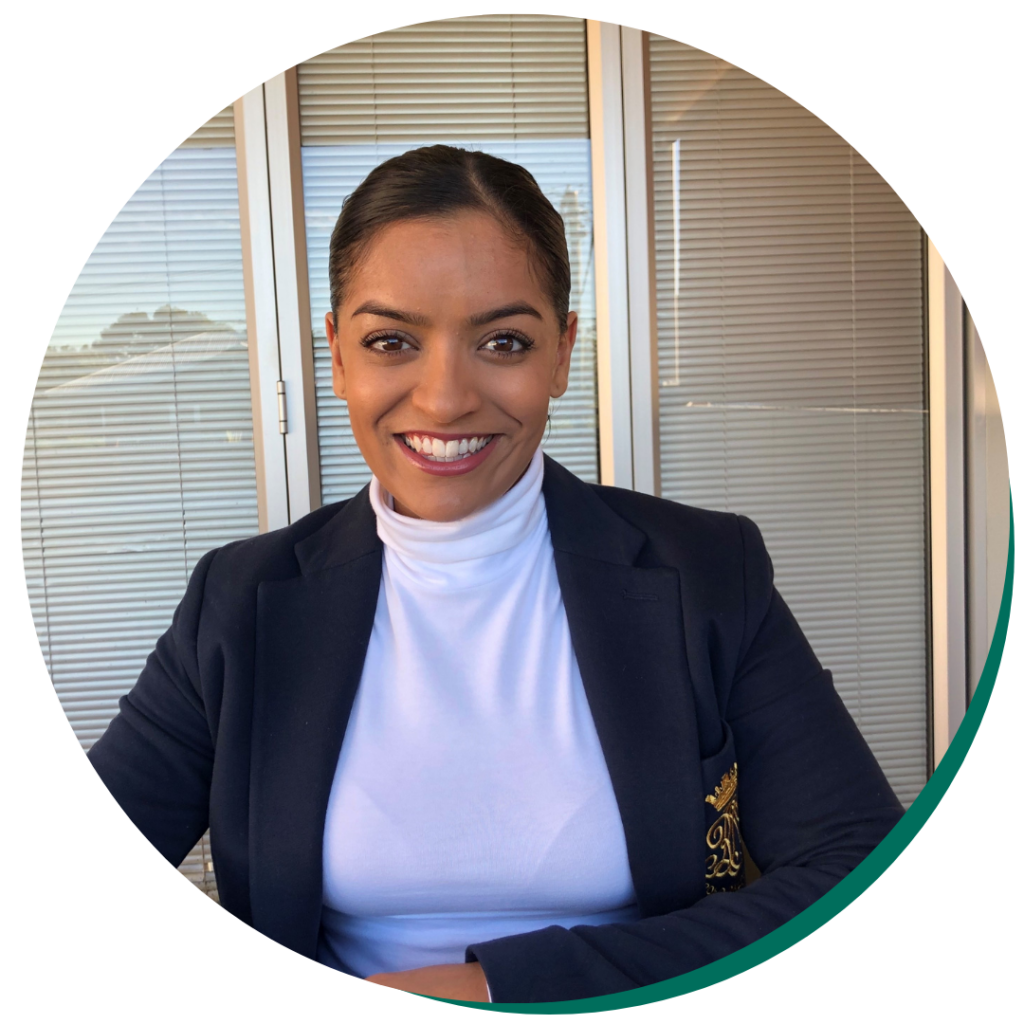
Sharni
Volunteer Telephone Support Worker
3 years with Arafmi
As Sharni comes closer to finishing her studies in psychology, she was searching for some ‘real-world’ experience to further her understanding of mental health in the community. Sharni chose to volunteer with Arafmi to not only help those battling mental health but also, wanted to help and be a ‘support system’ to carers, family and/or friends who are so selfless.
Do you have lived experience as a mental health carer?
I don’t have personal experience as a mental health carer. Like most people, however, I know many people who have either experienced, or have supported someone with, mental health difficulties.
Why did you choose to volunteer with Arafmi?
Mental Health has always been something very important to me. I chose to volunteer with Arafmi to not only help those battling mental health but also, wanted to help and be a ‘support system’ to carers, family and/or friends who are so selfless. As I come closer to finishing my studies in psychology, I was searching for some ‘real-world’ experience to further my understanding of mental health in the community. Hearing firsthand from carers has been a wonderful opportunity to not only support them, but to also listen and learn from those who have knowledge and experience of what living with and caring for people with mental health difficulties is like.
What do you find rewarding about being a phone volunteer?
Being a phone volunteer has many rewarding moments and opportunities. For me, the appreciation that callers have at the end of a phone call, is a pleasant reminder of the benefits and importance of Arafmi’s phone service. Due to the nature of phone volunteering, sometimes it can be hard to offer solutions for difficult problems, but I am constantly reminded of the impact even small words of advice or listening can have, which is extremely rewarding.
Can you describe a time when you knew you’d really made a difference to somebody?
There have been some occasions where at the time, you feel helpless, but this role has taught me the power of listening. I recall one phone conversation in which the caller started very distressed but through listening and supporting, I was able to help them through the situation. Although there was no obvious action that I could help the person with – through listening, validating and supportive advice I could gradually start hearing the ‘weight being lifted from their shoulders’. At the end of the call, they stated that ‘just having someone who listened had been very helpful’. Knowing that I made a small difference to someone’s day was beyond rewarding.
Arafmi Ltd provides supports and services for mental health carers in Queensland. We have a 24 hour support phone line – 1300 554 660 and face-to-face carer support groups which are held in various Brisbane and surrounding suburbs (please visit our support group page for a full list). We also offer four online carer support groups throughout the month as well as specialist online support groups for dual diagnosis, caring for a spouse and carers of youth. Other carer support services include free counselling sessions and educational workshops.
Our NDIS services include accommodation and respite, core supports, capacity building supports, support coordination and specialist support coordination.
If you have any questions about this article or need someone to talk to, you can call Arafmi any time of the day on 1300 554 660. It’s comforting to know that when you need to talk – someone who understands will be there – at any hour.

