“I’m actually on your team.”
“The person that you care for has a whole team of people around them, but I’m actually on your team.”
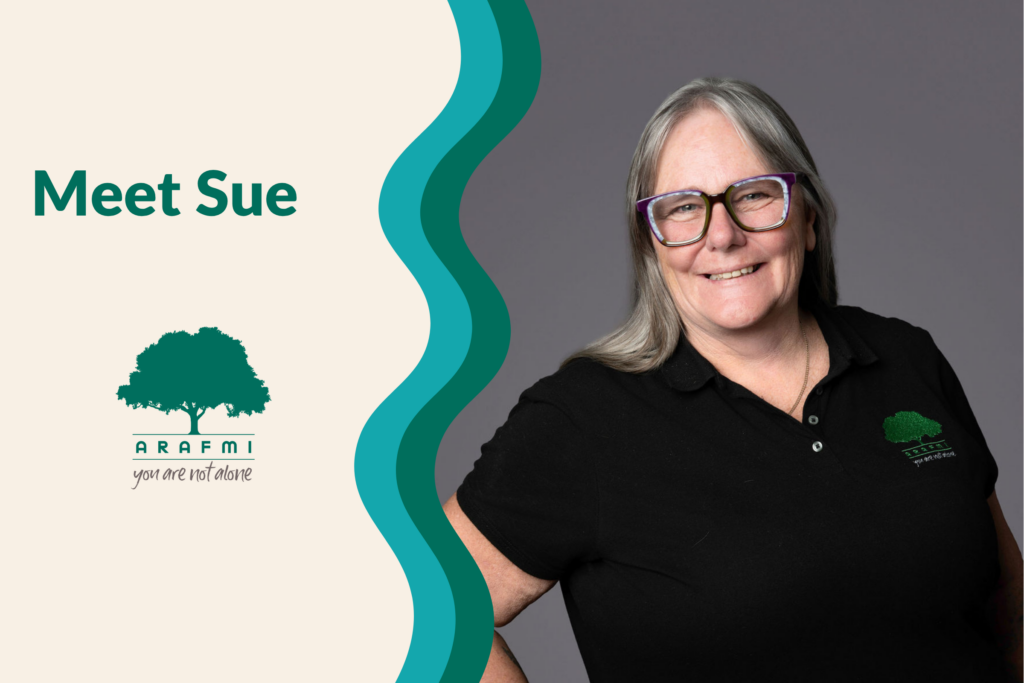
It’s a sentence Sue comes back to often because she’s seen what happens when a carer hears it for the first time.
Every day at the Sunshine Coast Carer Gateway Hub, people caring for a family member, partner or friend living with mental health challenges walk through the door looking for support. For Sue, it often starts with something simple: a smile, a cup of tea and a place to sit.
Ask Sue what she loves most about her work, and her answer isn’t what you’d expect. It’s seeing the moment someone realises they don’t have to carry it all on their own.
“It probably comes right back down to the look on somebody’s face when they realise that they’ve got somebody on their side and that they can be whoever they want to be. And we’re not going to judge them, we’re just going to try and support them the best way we can.”
Putting carers back at the centre
Most people walk through the door ready to talk about the person they’re supporting.
For many, caring has become such a big part of everyday life that their own needs rarely come into the conversation. Then, gently, Sue brings the focus back to the person sitting in front of her.
“A lot of the times when I do support, I’ve got to kind of call a little halt to the conversation and bring the focus back to the person that’s sitting in front of me rather than the person that they care for.”
For many, that’s where support begins. Not with all the answers, but with someone who takes the time to listen.
“It’s grab a box of tissues because it’s usually overwhelming for people to finally realise that there’s somebody listening to them.”
Later, Sue reflects on why those moments matter.
“There’s no magic. Well, the magic is that it is really simple to do. It’s open the door, make a cup of tea, sit down in a quiet, comfortable space and have someone listen to you.”
Don’t wait until you’re running on empty
One of the hardest parts of the job is knowing how many people wait until they’re exhausted before asking for help.
By the time they walk through the door, they’ve often spent months, sometimes years, putting someone else’s needs before their own. Sue wishes more carers knew they didn’t have to wait that long.
“Most of the carers don’t reach out until they are exhausted. It’s not part of our culture to ask for help when you know things are going to get big. Most people come in when things are already huge. And in reality, we could have done a lot of work foreshadowing what could maybe happen and setting some really beautiful supports up around that. But, most people who are carers don’t put themselves first. So they do all the work and then when they’re exhausted, they’ll come in here.”
The stories carers carry
Listening also means hearing stories people may never have shared before. Sometimes, what carers need most isn’t advice. It’s a safe place to say something out loud for the first time.
One conversation began with a gentleman telling Sue he used to write songs. When he said words sometimes bounced around in his head, Sue suggested he text her a line if it helped get them out.
His reply stopped her.
“And he said, ‘I love you too.’ And I went, ‘Okay, is that your line from your song?’ And he said, ‘Yeah. I never realised that I have never had anybody say, “I love you.” They only ever said, “I love you too.”‘”
Sue remembers replying, “So in all the time that you’ve had in your caring role, you’ve had to show love before love was shown to you.”
It’s one of the conversations that’s stayed with Sue ever since.
One thing Sue wants every carer to know
Above everything else, Sue hopes carers know they don’t have to wait until they’re in crisis before asking for support.
“Oh, don’t wait. It’d be nice if they knew that they can reach out straight away to get in grassroots at the bottom and realise, you have the support when you need it, not post tragedy, not post-crisis, it’s hard to come back from sometimes.”
She also wants carers to know there’s no judgement in feeling the difficult emotions that often come with caring. Grief, anger, frustration and disappointment are all part of the caring role.
“You’re not really gonna shock anybody with your emotions. It’s okay to feel grief, it’s okay to feel anger, it’s okay to feel disappointed. There are people that will not judge you for having negative emotions in your caring role.”
For Sue, that’s what being on a carer’s team really means – listening without judgement, offering practical support and reminding people they don’t have to do it alone.