Arafmi Visits Charleville – 2023
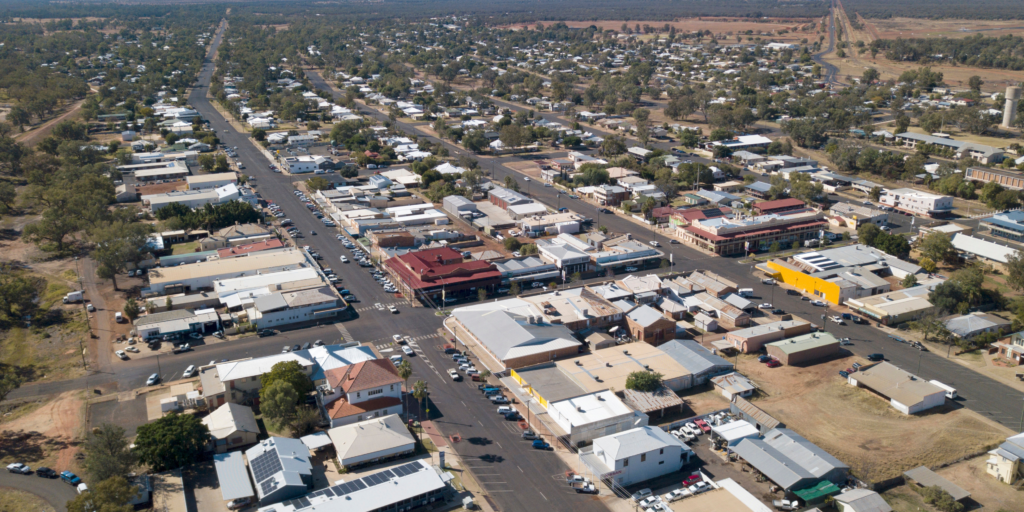
Earlier in the year, Arafmi’s Carer Support Team were invited to Charleville to explore the possibility of developing another support group for mental health carers in the region. Our visit was jam packed with activities, so we were grateful for the support of a great guide and friend of Arafmi who works with vulnerable communities in Charleville, Irene F. Irene helped us to connect with a number of services there and enabled us attend other events, connect with the community, and learn a lot more about the mental health supports on offer in the area. For example, we attended a Reconciliation event hosted by the local First organisation CWAATSICH and participated in activities such as learning how to make Australian sandalwood smudge sticks for smoking ceremonies.
Talking with residents there deepened our understanding of their connection to country and of their approach to mental health supports in the community. We also presented at a Biggest Morning Tea event run by the community group Healthy Aging on the outskirts of town at Red Lizard Camping Ground.
Connecting with the elders of that community gave us a good history of the town’s development and icons like the town’s oldest tree.
These conversations additionally provided deeper insights into how many grandparents are supporting loved ones with mental health challenges.
The Carer Support Team also hosted two events of our own in Charleville that generated useful information for future planning and connected us with many more community services in the area that promote mental health care.
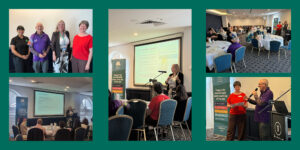
Our first event was a Morning Tea for Carers at Charleville’s Neighbourhood Centre which attracted about 15 people from around the town. Local caterer Katrina Heinemann from Café in the Mulga provided a fabulous array of goodies for attendees to savour before we presented a brief history of Arafmi and introduction to our Carer Support Team services. Those attending were then invited to participate in a round table discussion on available mental health supports which led to a rich conversation about how services might better support and identify mental health carers in the region.
Some of these discussions continued the following night as people who attended our morning tea also came along to the second event Arafmi hosted: a dinner and panel discussion in the large function room at Charleville’s RSL. This venue comfortably housed about 45-50 guests who came along and sat at long dinner tables oriented towards a raised stage where invited panelists were sitting. Irene F kindly introduced Arafmi and the panelists that were invited from local community services who supported carers in the region: Andrew Finall, OIC at Charleville Police Station, Tegan Russell, Mental Health Nurse Navigator at Charleville Hospital, Chantelle Musumeci from Lifeline, and local School Chaplain Michael Holt.
Arafmi’s Regional Engagement Coordinator Gillian Kehoul then invited panelists to a Q & A style discussion on the topic “How to build strong, health relationships that promote community wellbeing and mental health.” Questions were then fielded from the floor and directed to various panelists before a buffet dinner was served by RSL staff at the back of the function room. Much discussion was evident in the room afterwards as lots of positive connections were made and many guests commented on the usefulness of informed, public conversations around the topic of developing more mental health supports. So, all in all, our trip west and the information and experiences we gathered in Charleville, have enabled our team to start building solid relationships with community partners in the region who can help us begin developing more supports for mental health carers in the area.