As we care for our loved ones who suffer mental health illness, we can at times fall into depression or suffer anxiety ourselves. Self-care, whilst important for everyone, is especially so for those of us who are carers for others. Unlike paid roles there are no ‘set’ hours, no holidays, no real downtime. So we are perfectly placed to occasionally become depressed or suffer anxiety.
Gardening: A Cure For Depression?
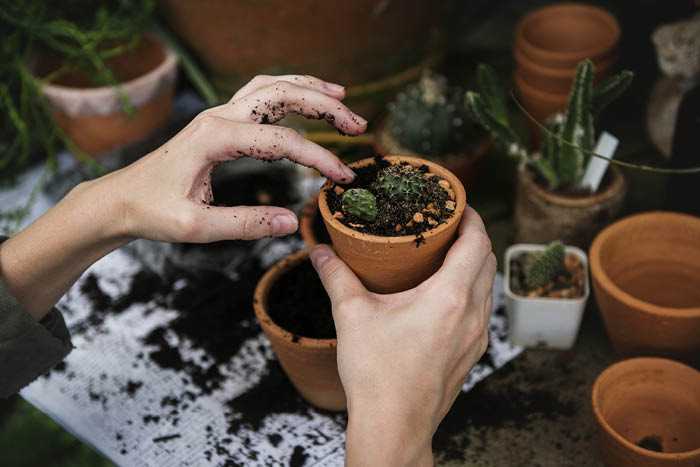
There has been much written about the steps you can take to help with depression, including various activities that help alleviate the symptoms. Exercise, limiting alcohol intake, surrounding yourself with friends and family to name a few. But have you considered gardening? Yes, getting your hands dirty in the garden can sometimes be the secret to lifting yourself from the darkness of depression according to a recent study. This study found that gardening and horticultural therapy decreases stress, anger, fatigue, and depression and anxiety symptoms.
How Does It Help?
- Gardening helps with mindfulness which is the practice of being aware of the present moment without judgment. For a moment it’s just you and the garden. Your mind is focused solely on this task and it’s a perfect opportunity for mindfulness.
- Gardening can give a sense of purpose and afterwards there is a pleasant sense of accomplishment.
- Gardening gets you outside and interacting with nature. An anxiety.org article describes it best: As research on wilderness therapy, horticultural therapy, and urban green spaces indicate, spending time in nature is associated with increased emotion regulation, decreased neural activity in the subgenual prefrontal cortex (the area associated with rumination), and decreased symptoms of depression and anxiety.
- Contrary to some beliefs, gardening can actually be quite a physical activity. Think raking, weeding, trimming or even lifting soil and potting larger plants. Exercise has been proven to decrease symptoms of anxiety and depression so that’s yet another reason to consider gardening!
Green Therapy
Green Therapy is the name given to the psychological benefits of being in nature (or natural surroundings). Gardening is but one example of green therapy. If gardening isn’t to your liking, you could always go for a walk. Find a park or forest close to you and plan a regular walk through nature. In South London where nature is not abundant, a group has created a place called Sydenham Garden which is surrounded by housing and a school. It is a sanctuary of gardens, a nature reserve and activity rooms and patients can be referred by their GP for green therapy for up to 12 months. You can read more about Sydenham Gardens here.
You may already be participating in green therapy without realising it. Do you have a garden or plants that you look after? Do you regularly go for bushwalks or walks in nature? For our readers in Brisbane, you can find a list of bushwalks in and around our city here.
If you have any questions about this article or need someone to talk to, you can call Arafmi any time of the day on 07 3254 1881. It’s comforting to know that when you need to talk – someone who understands will be there – at any hour.