Arafmi 324

Arafmi Mental Health Carer Forum 2024 

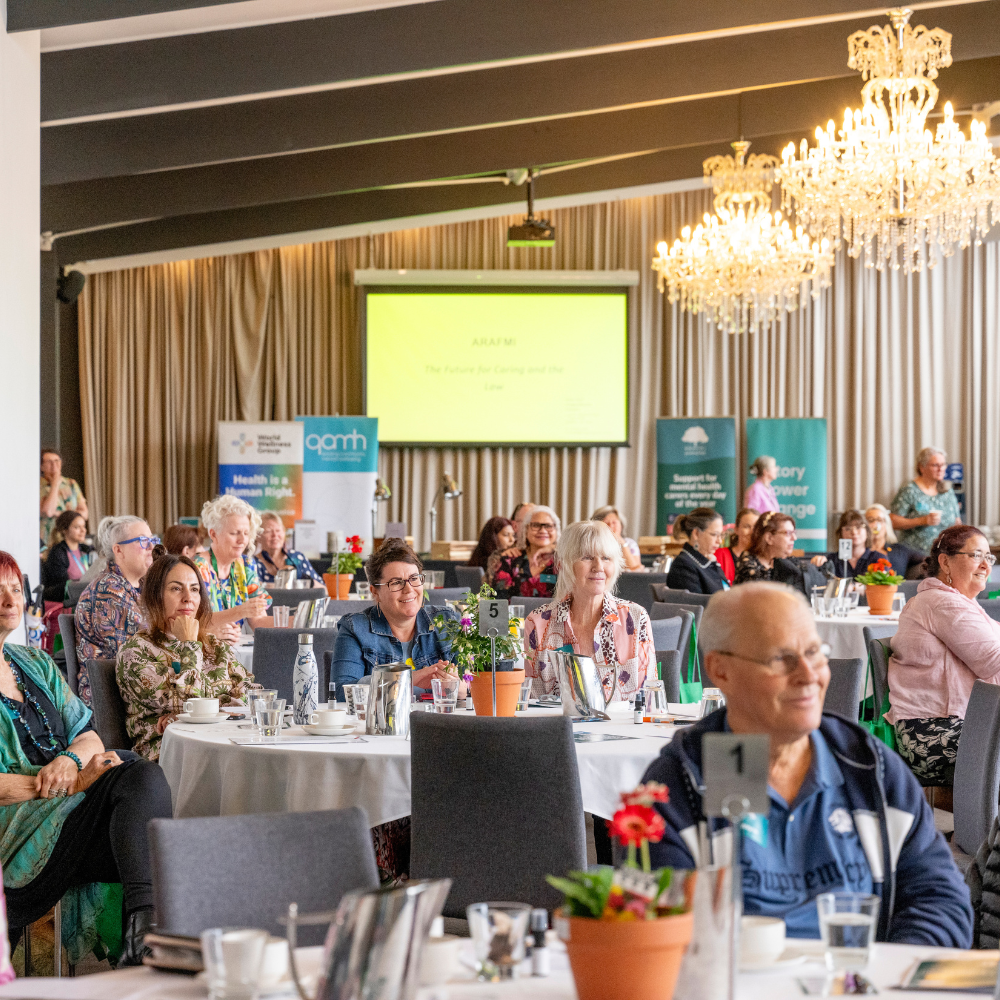
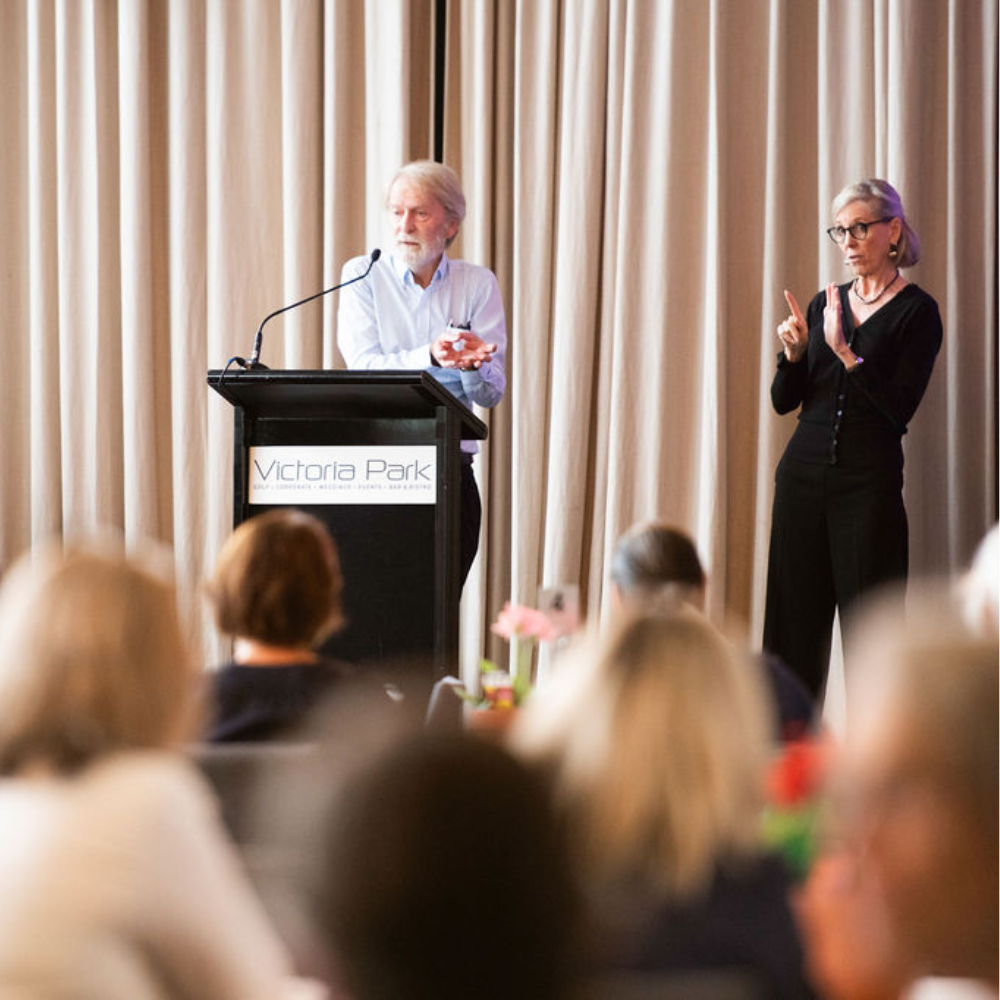
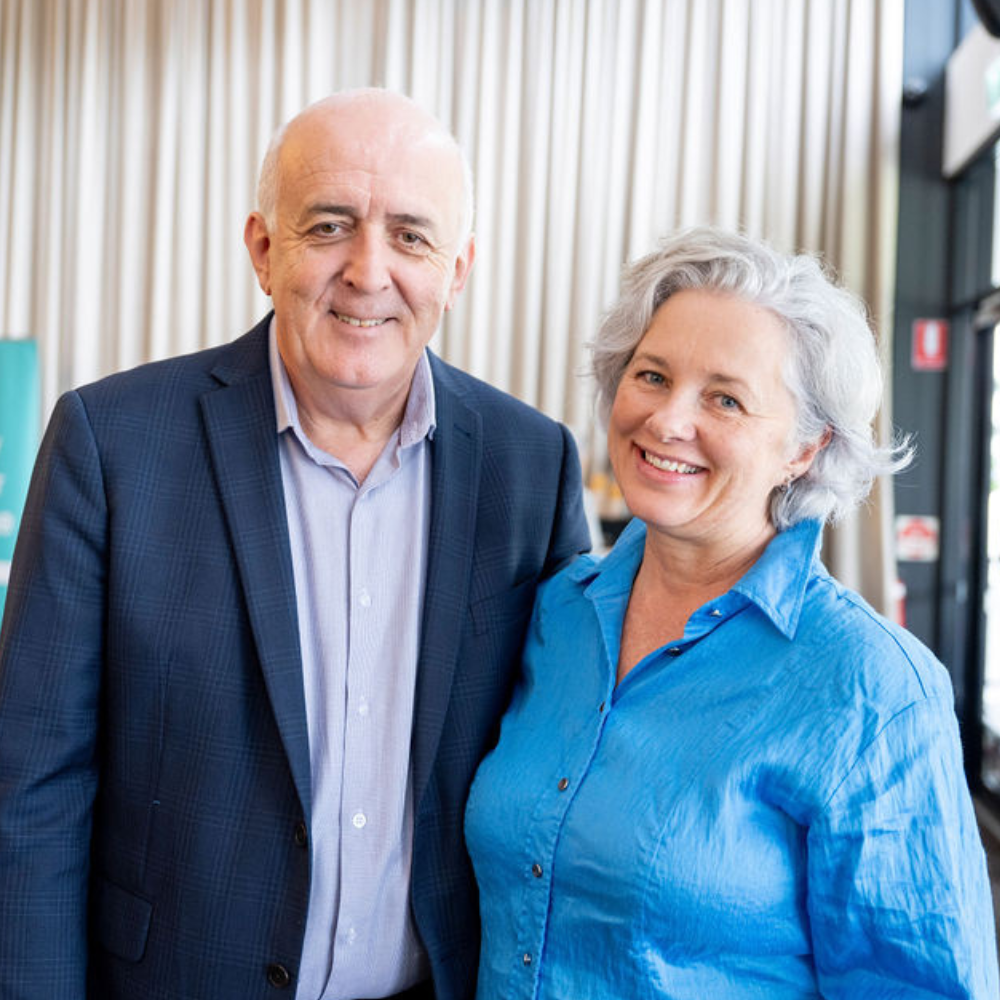
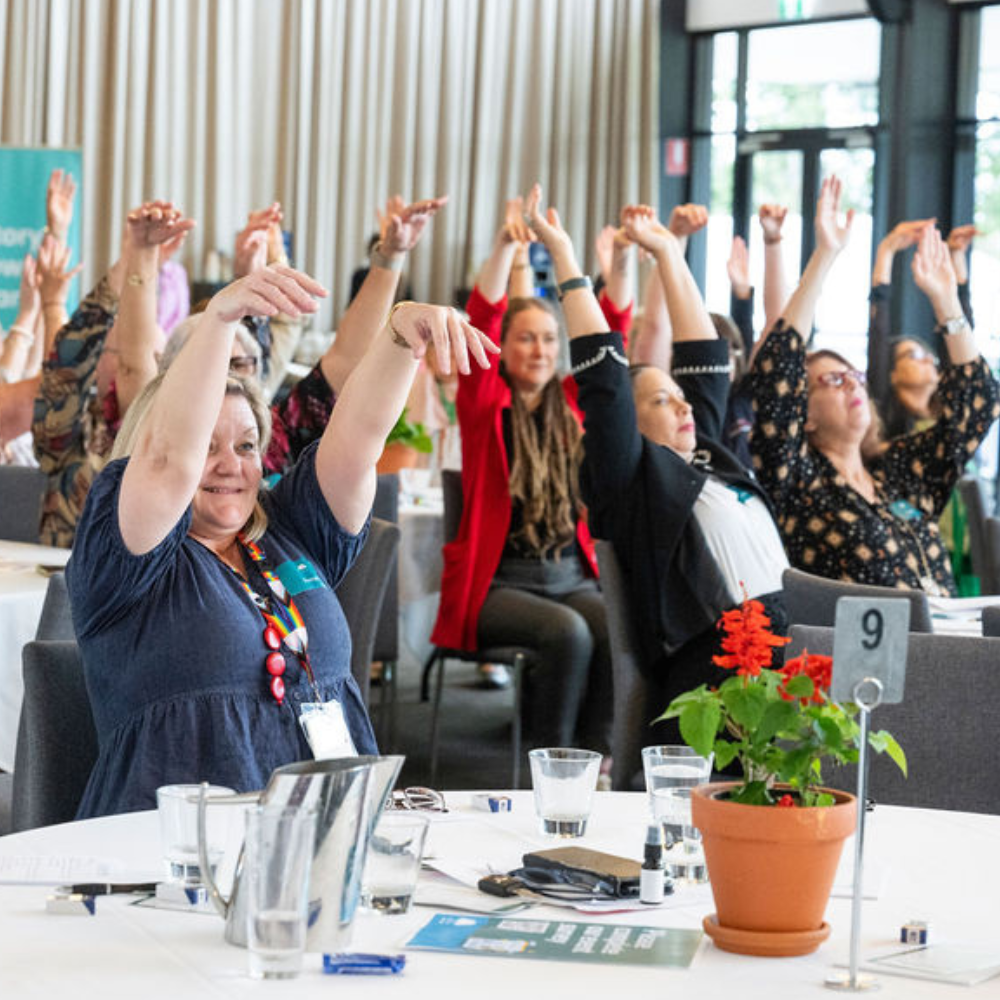
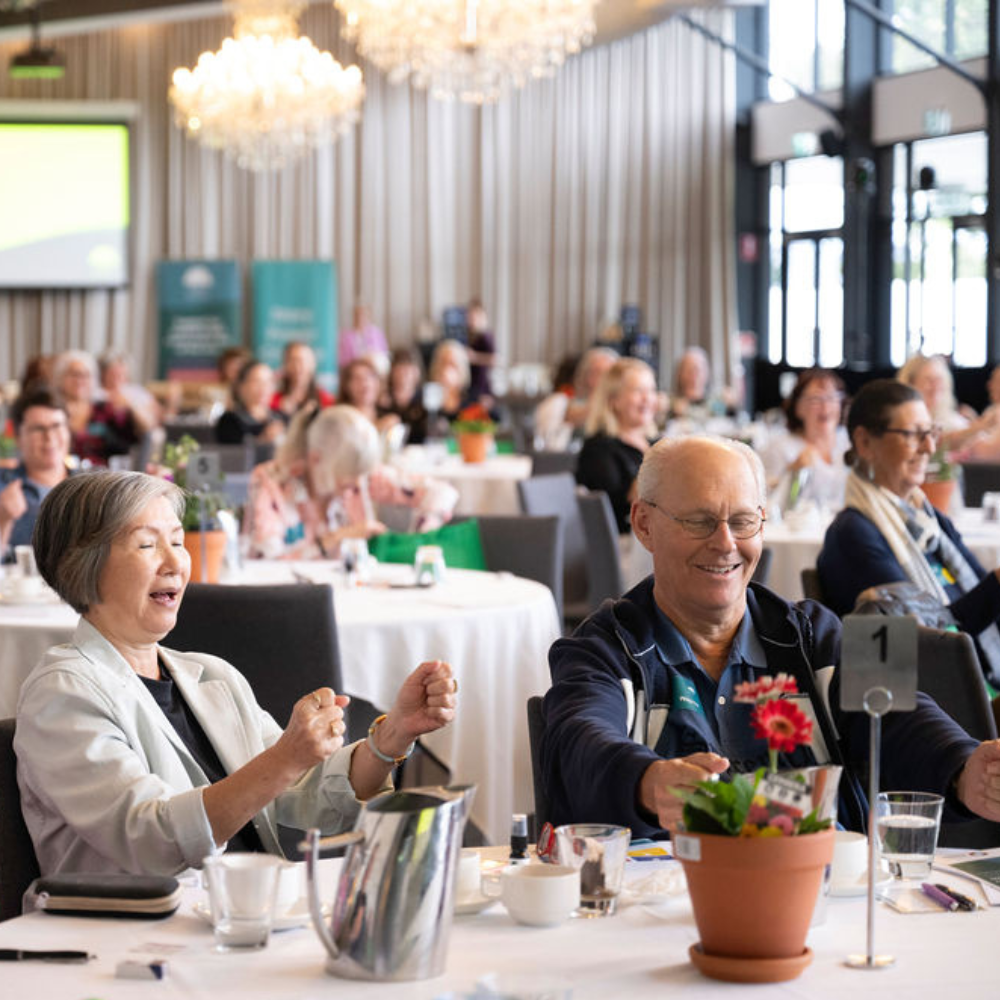
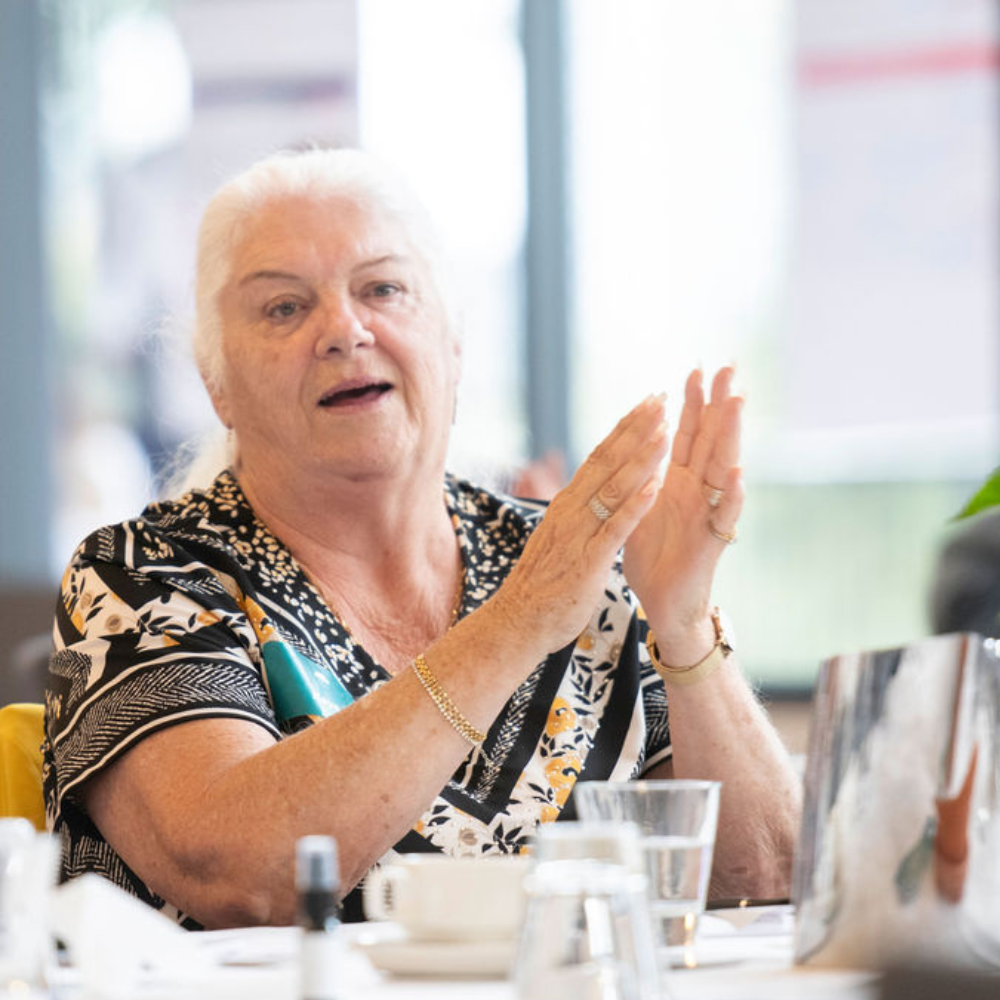
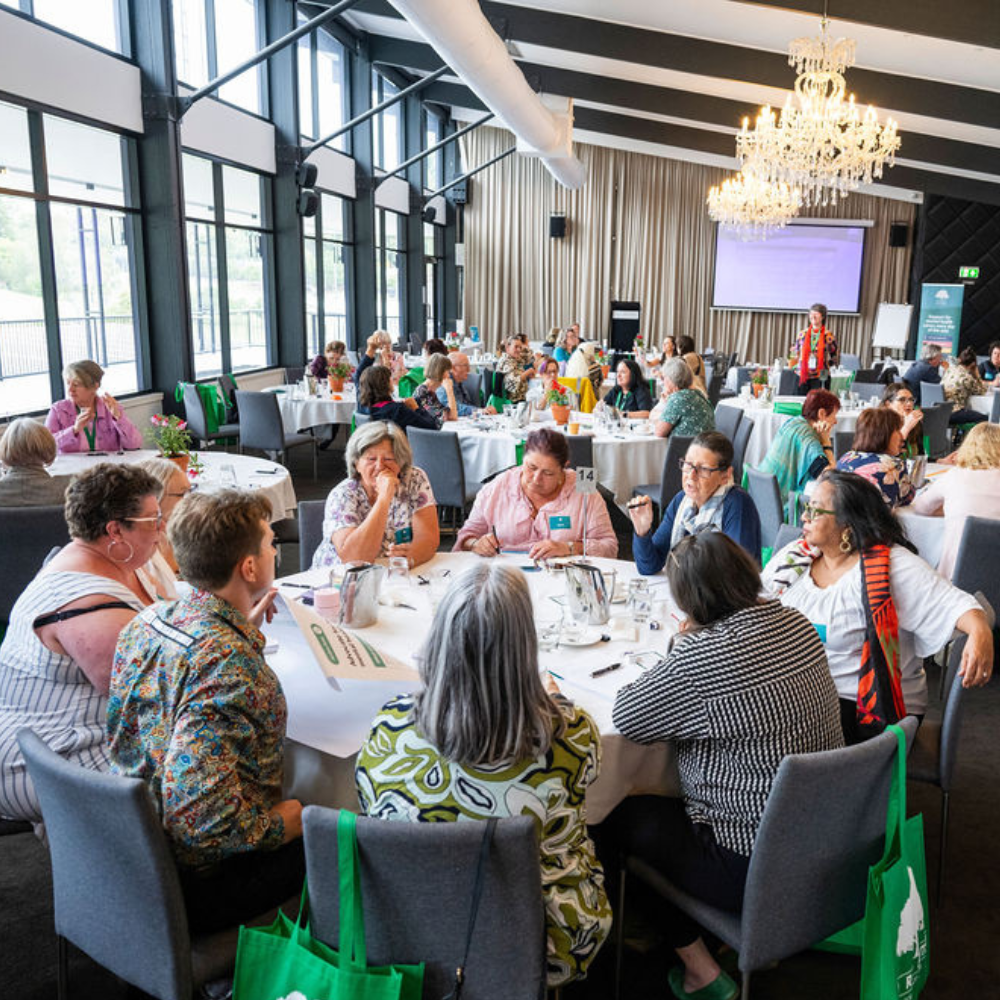
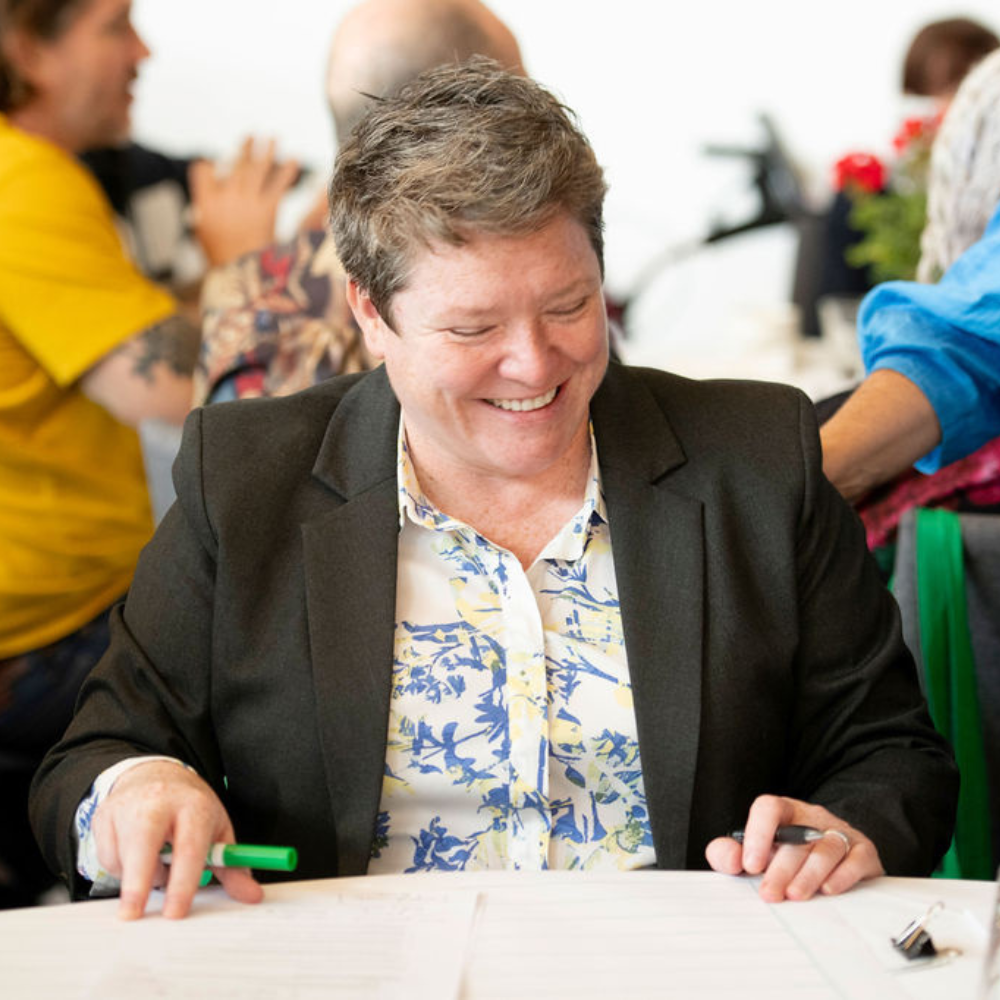
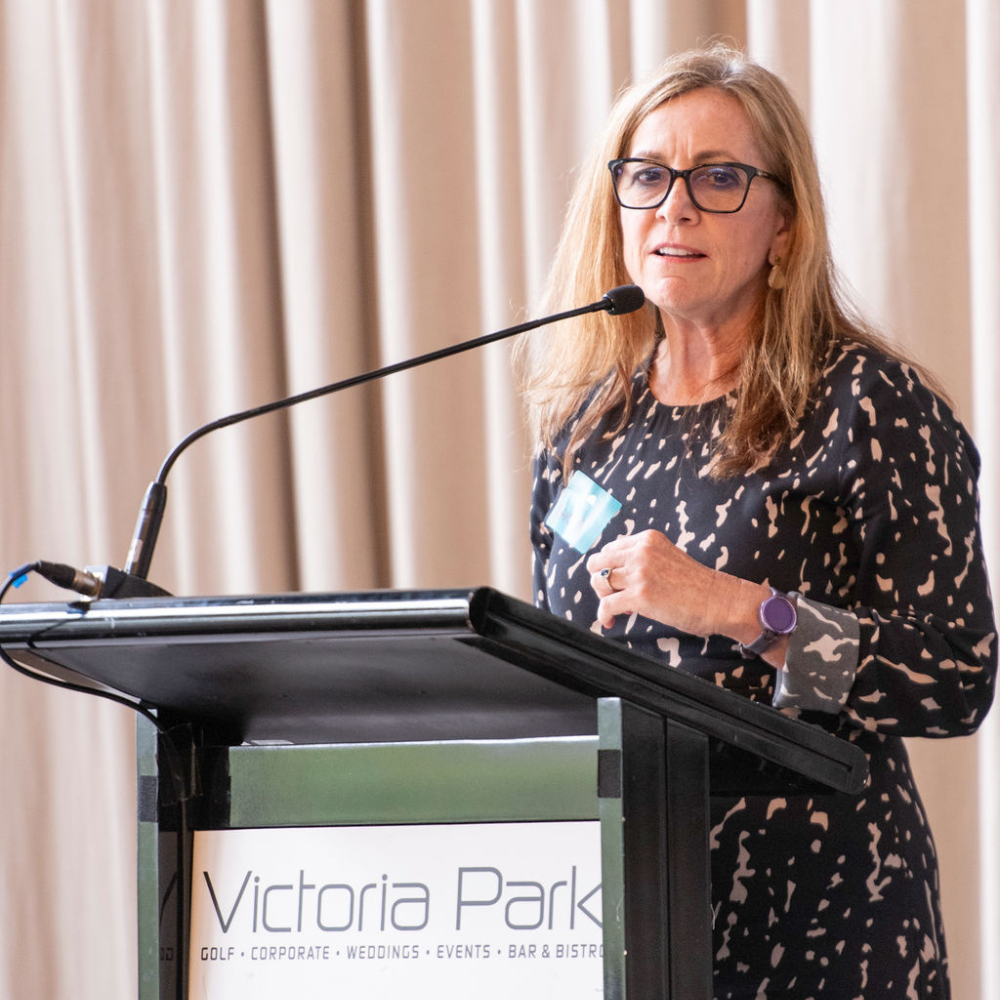
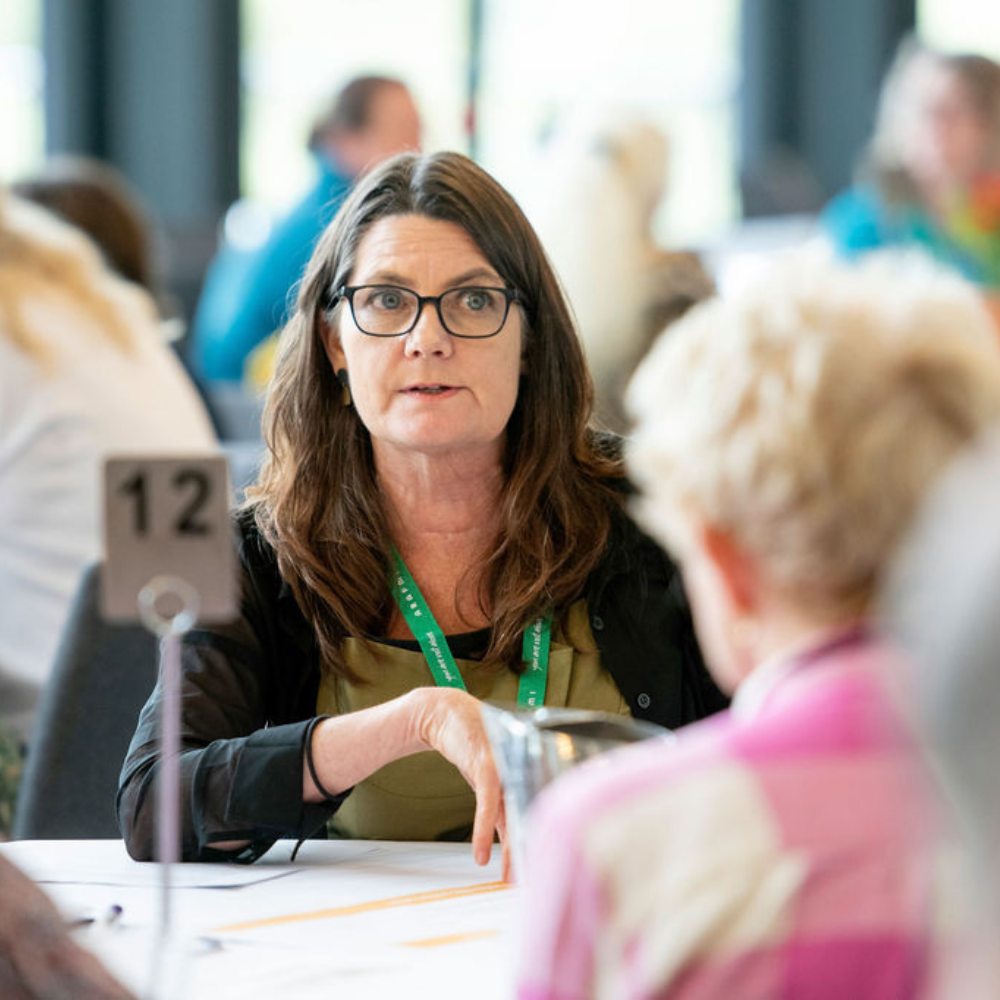
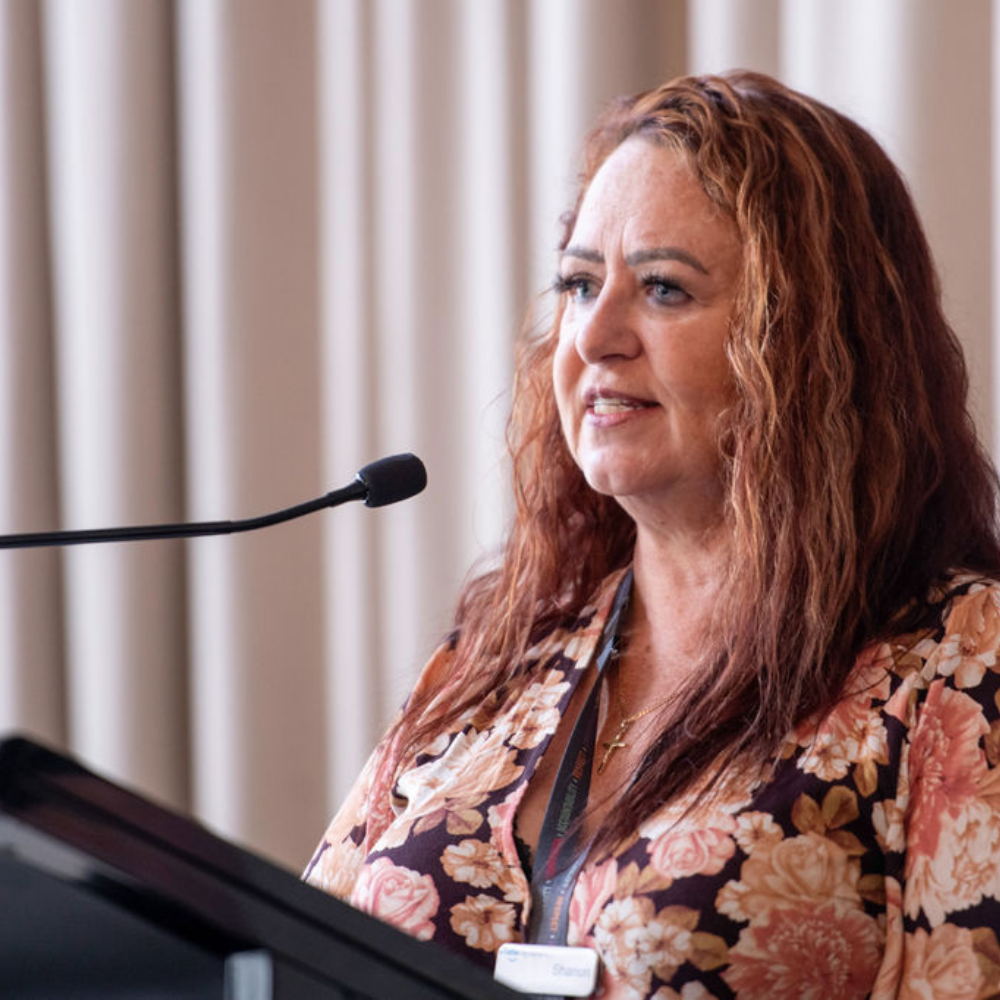
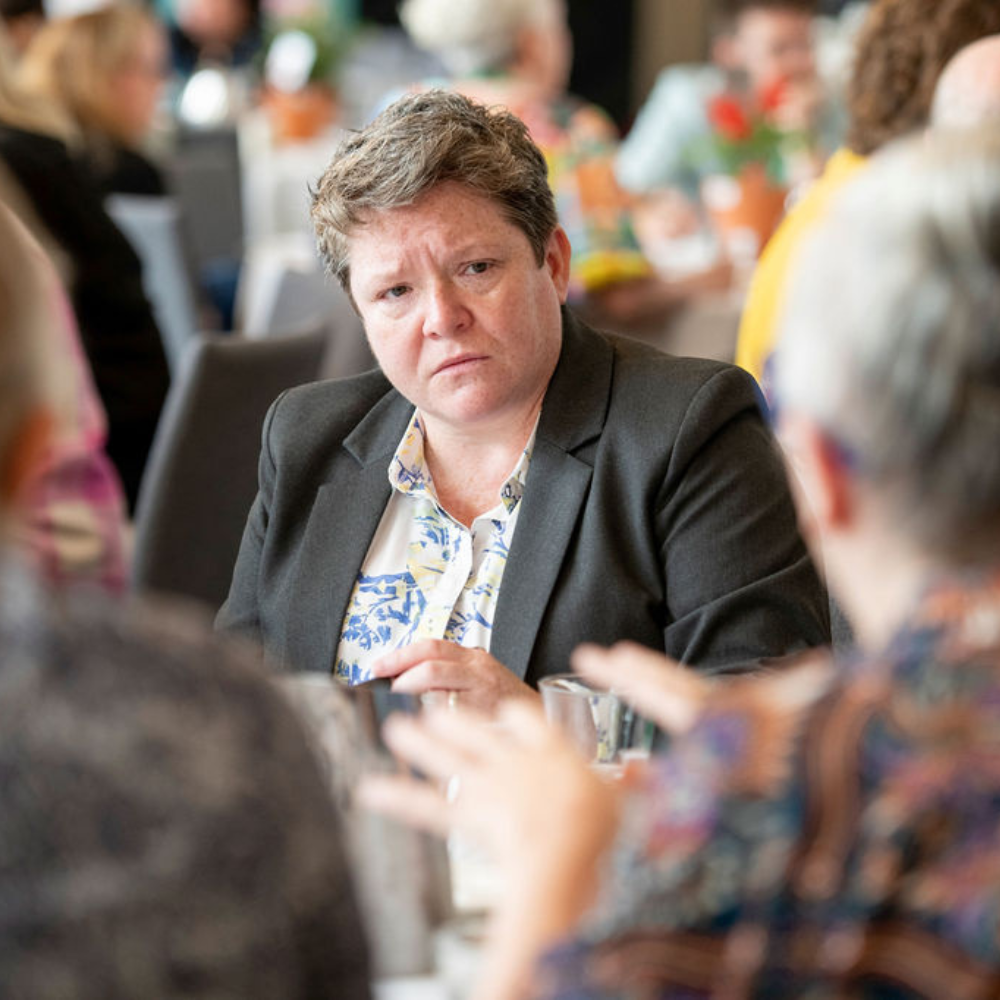
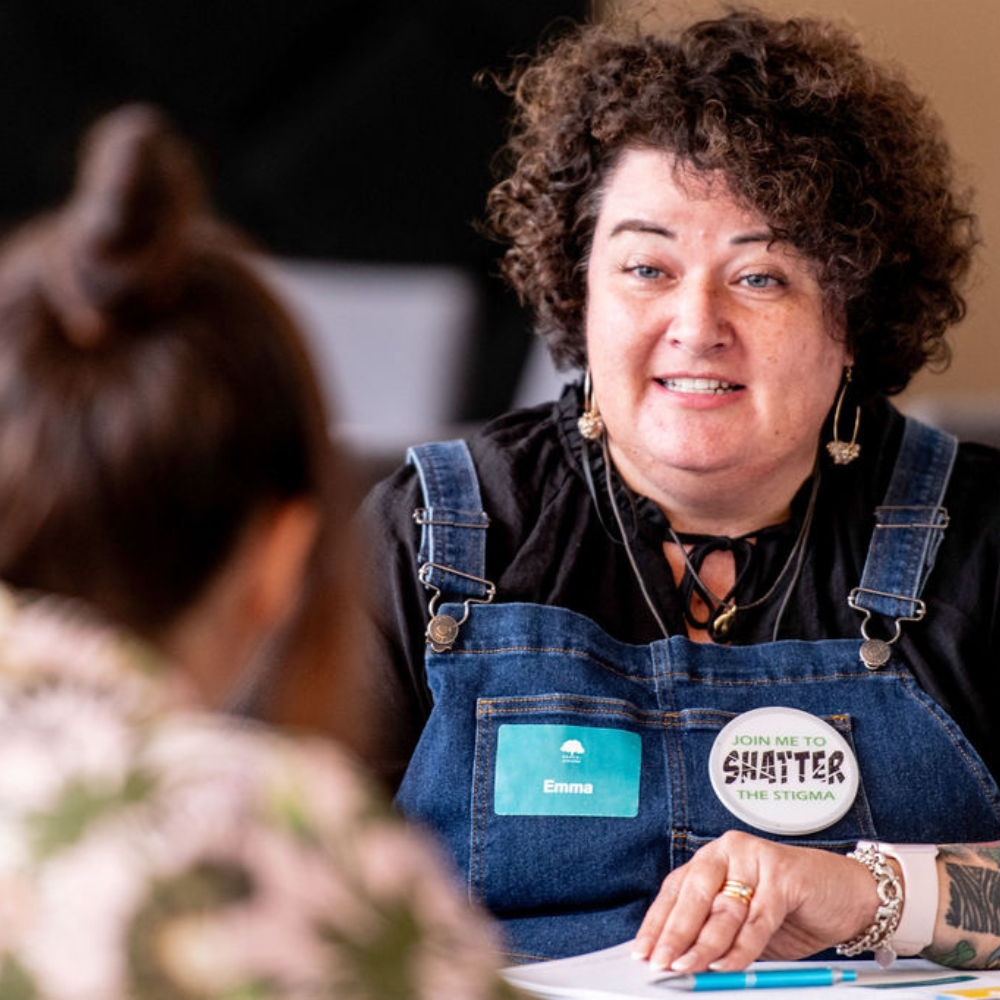
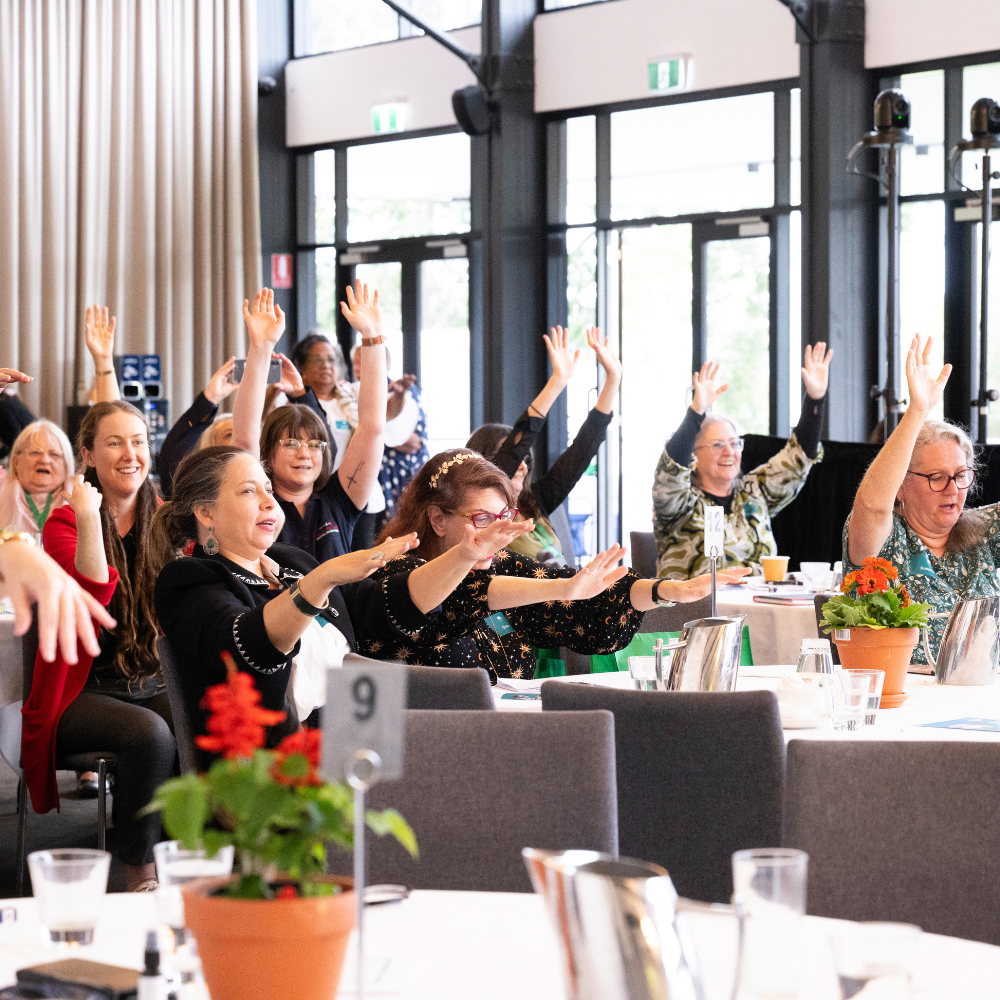
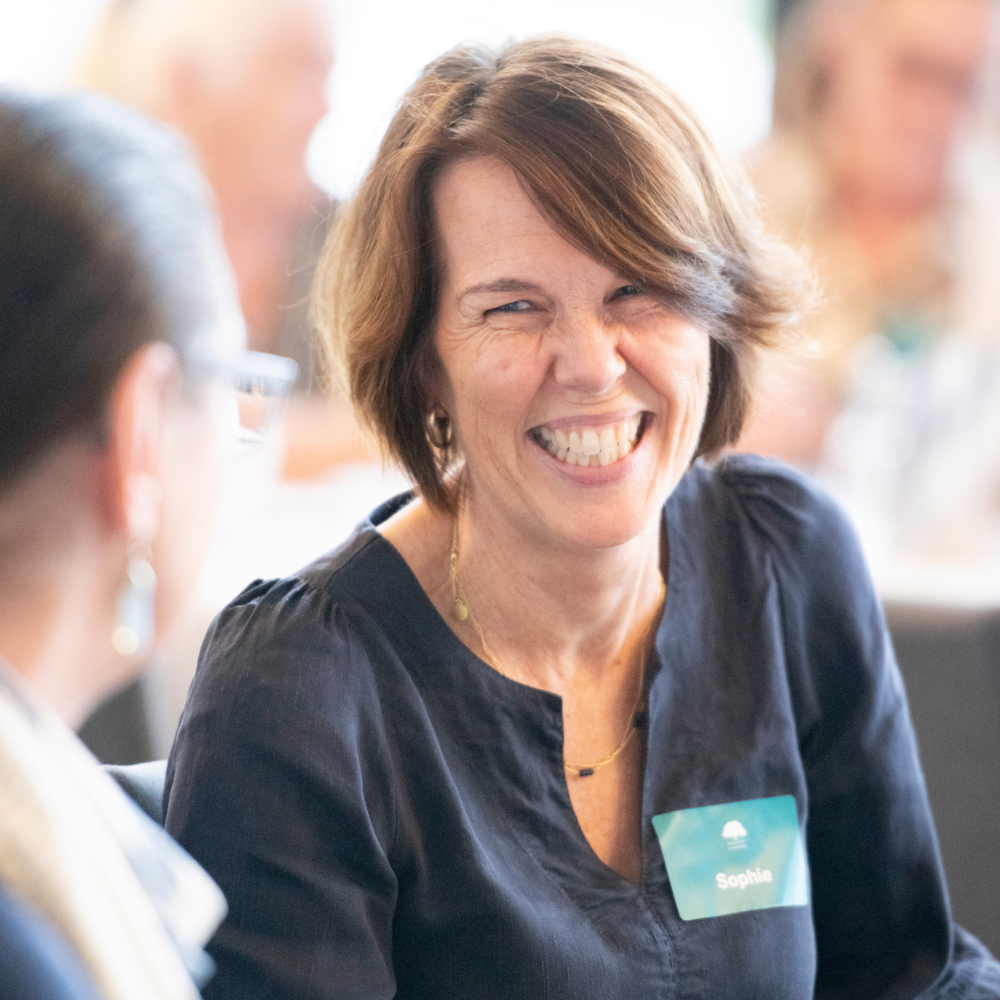
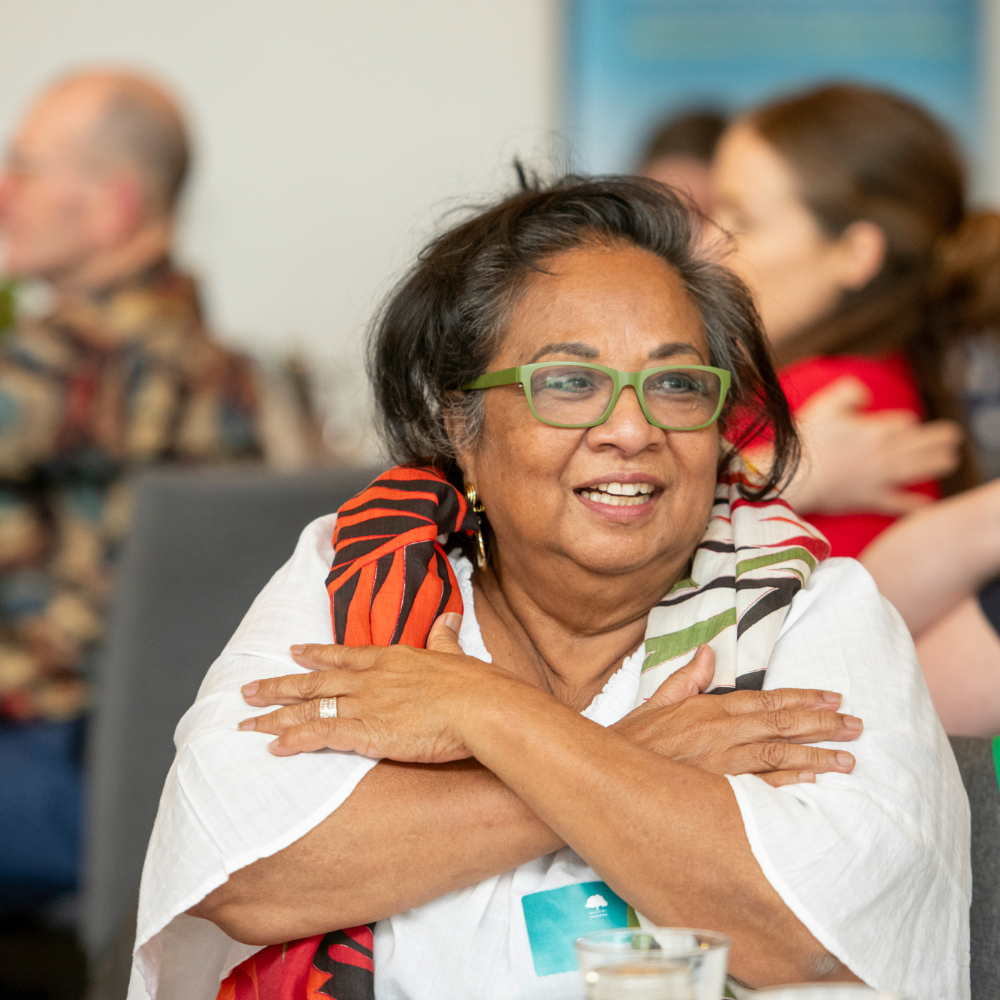
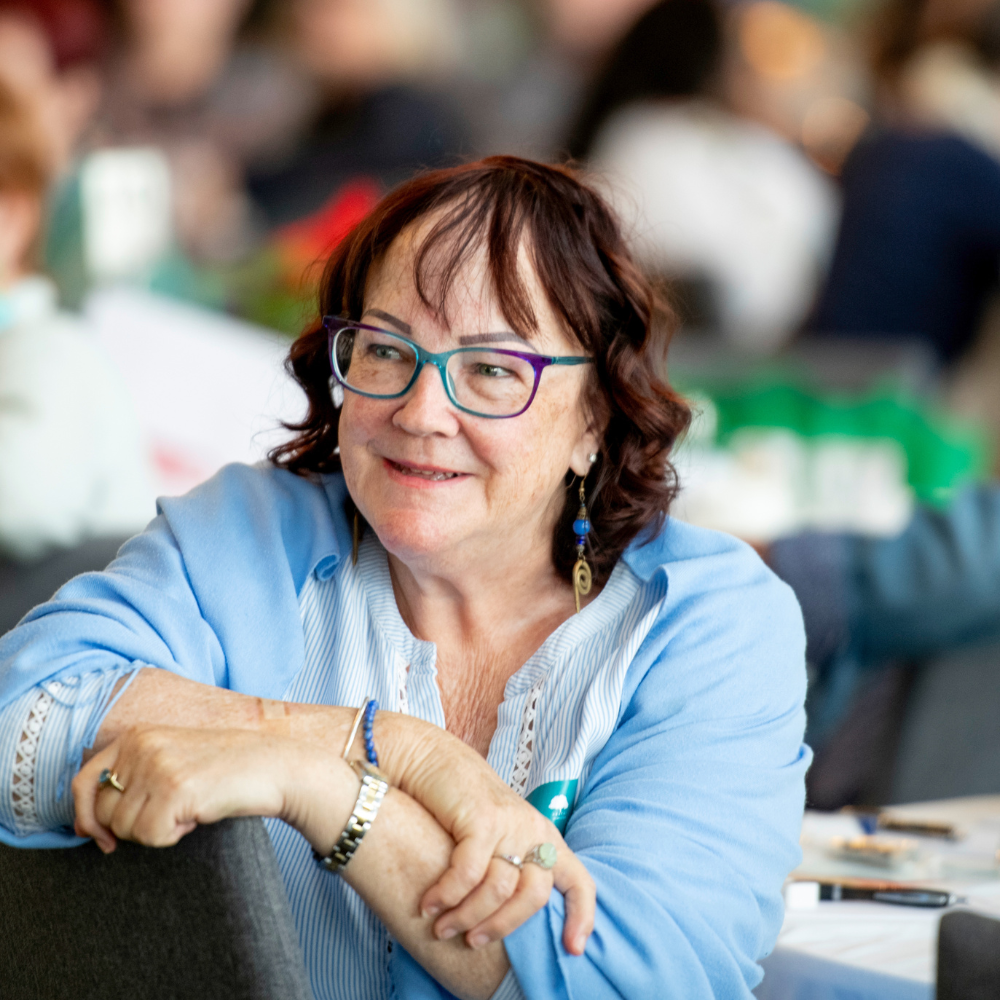
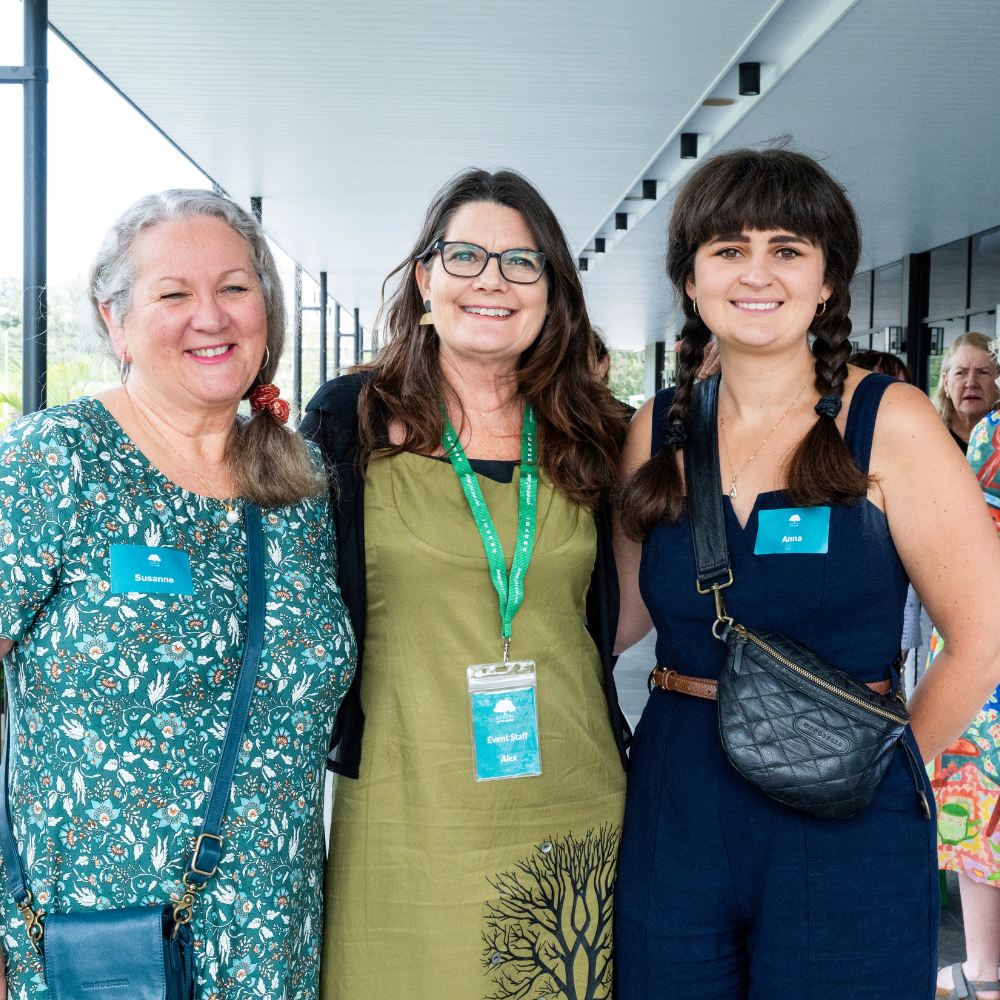
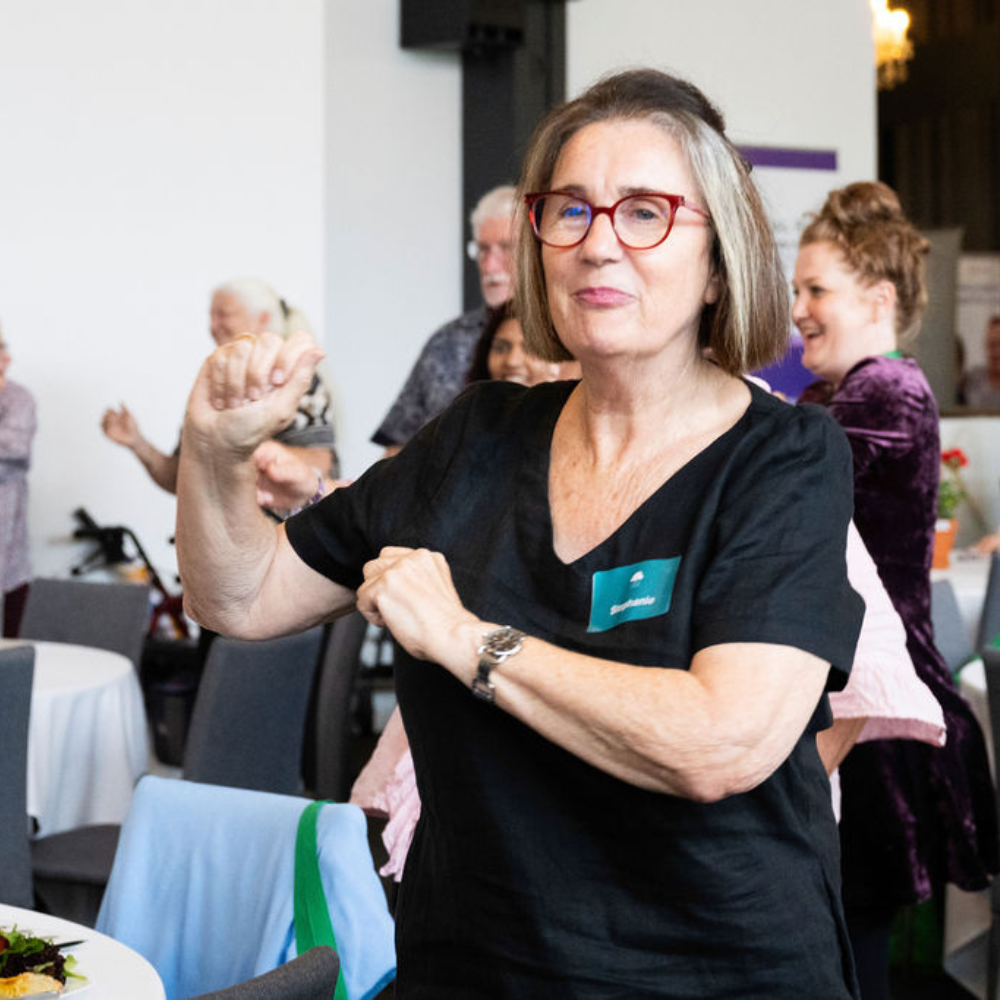
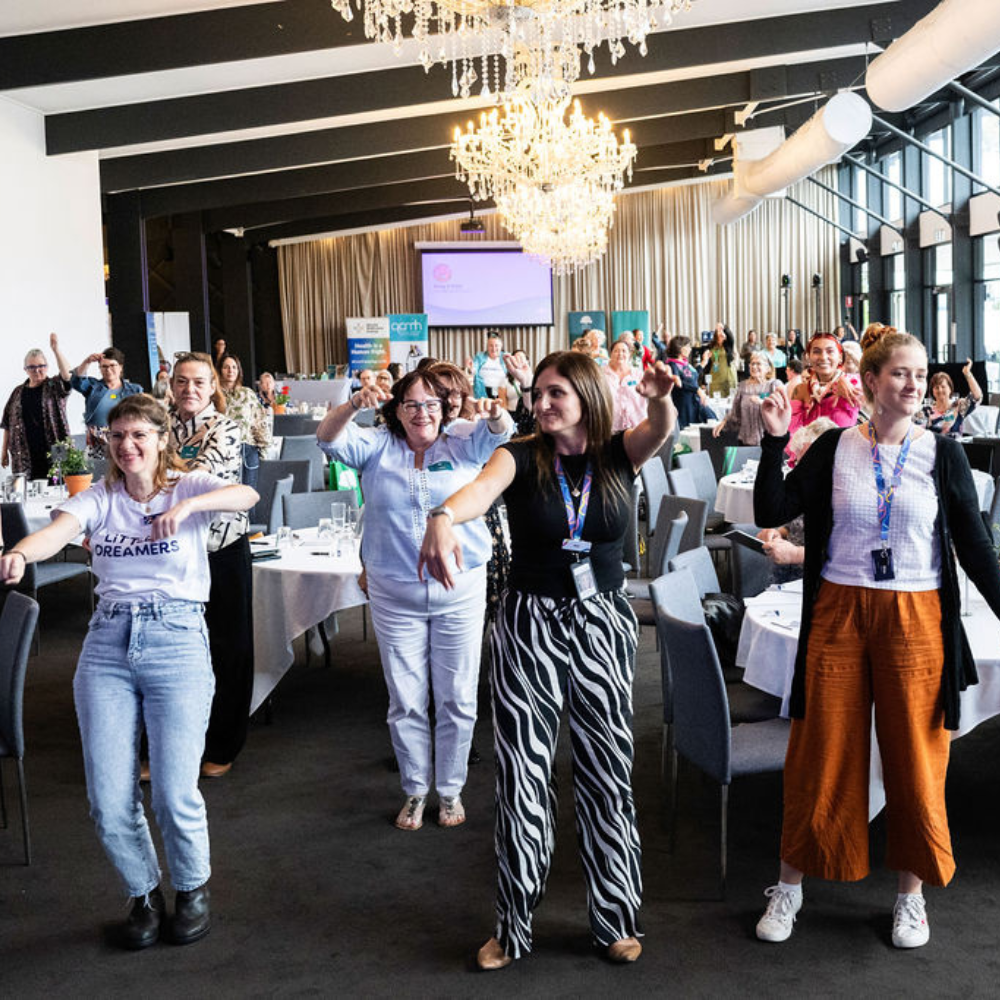
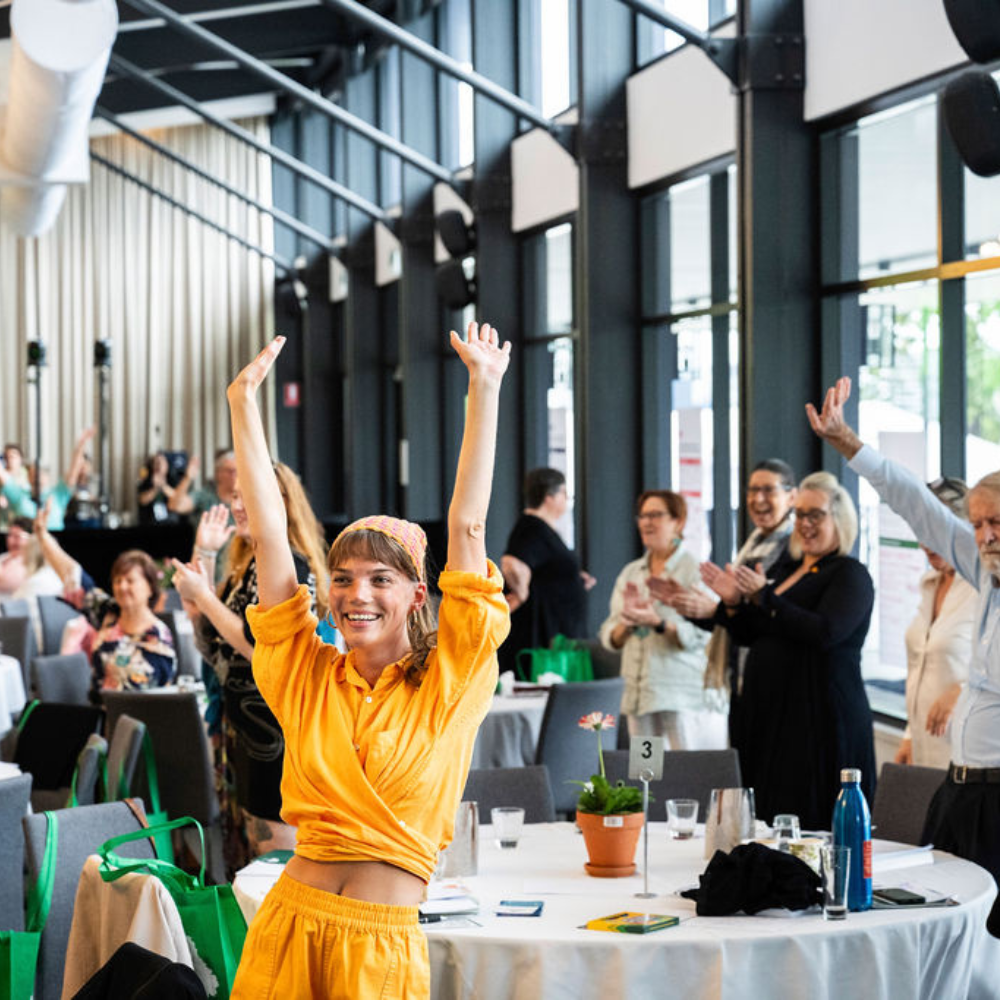
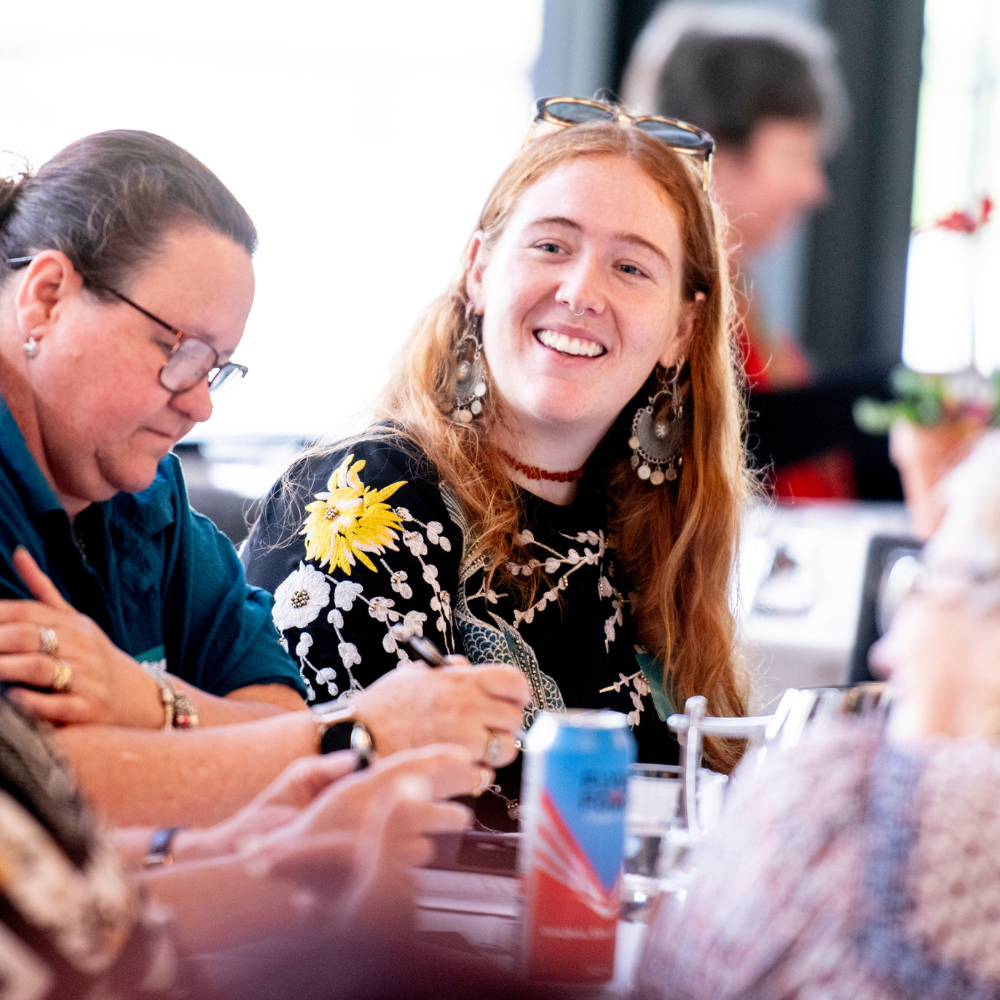
Our Mental Health Carer Forum on 16 October provided an important opportunity for mental health carers to hear from leaders in the mental health system, connect with other carers and learn how to utilise their Lived-Living Experience to advocate for better support for themselves and the people they care for.

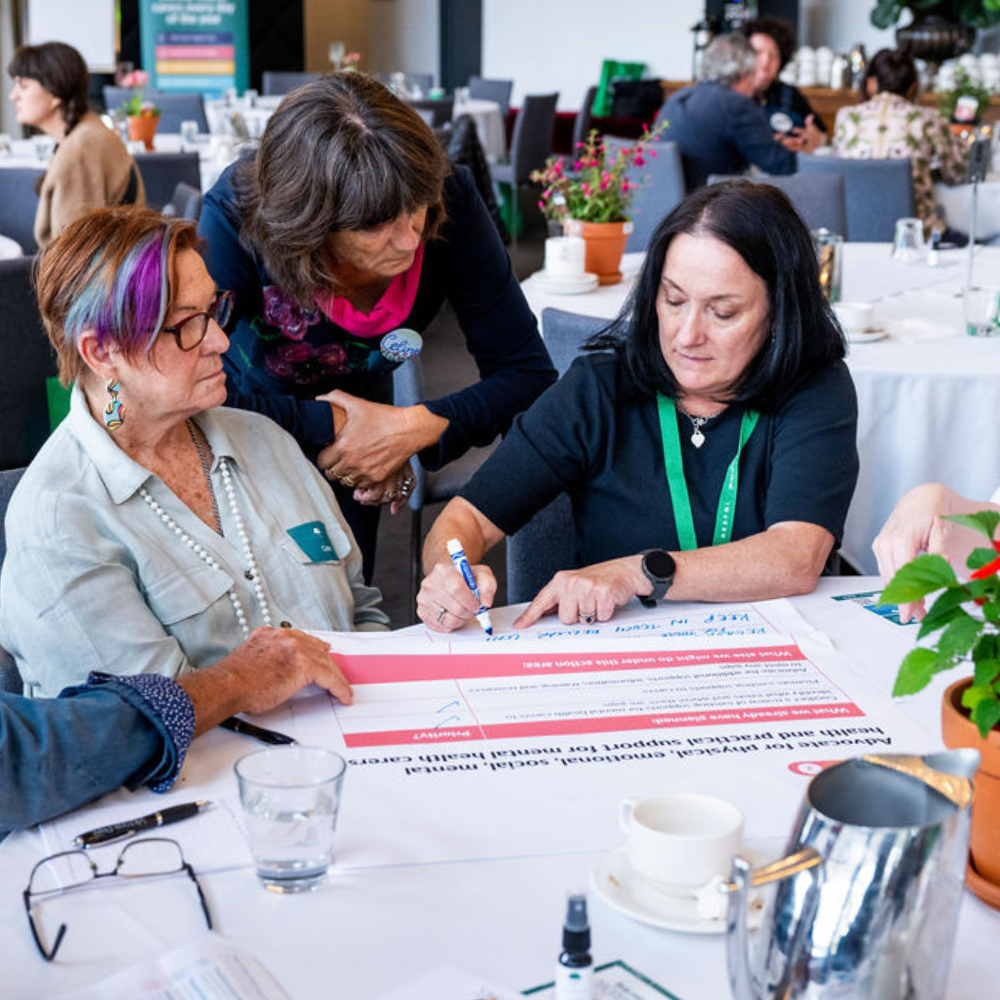
Outcomes of the Carer Forum Round Table Discussions

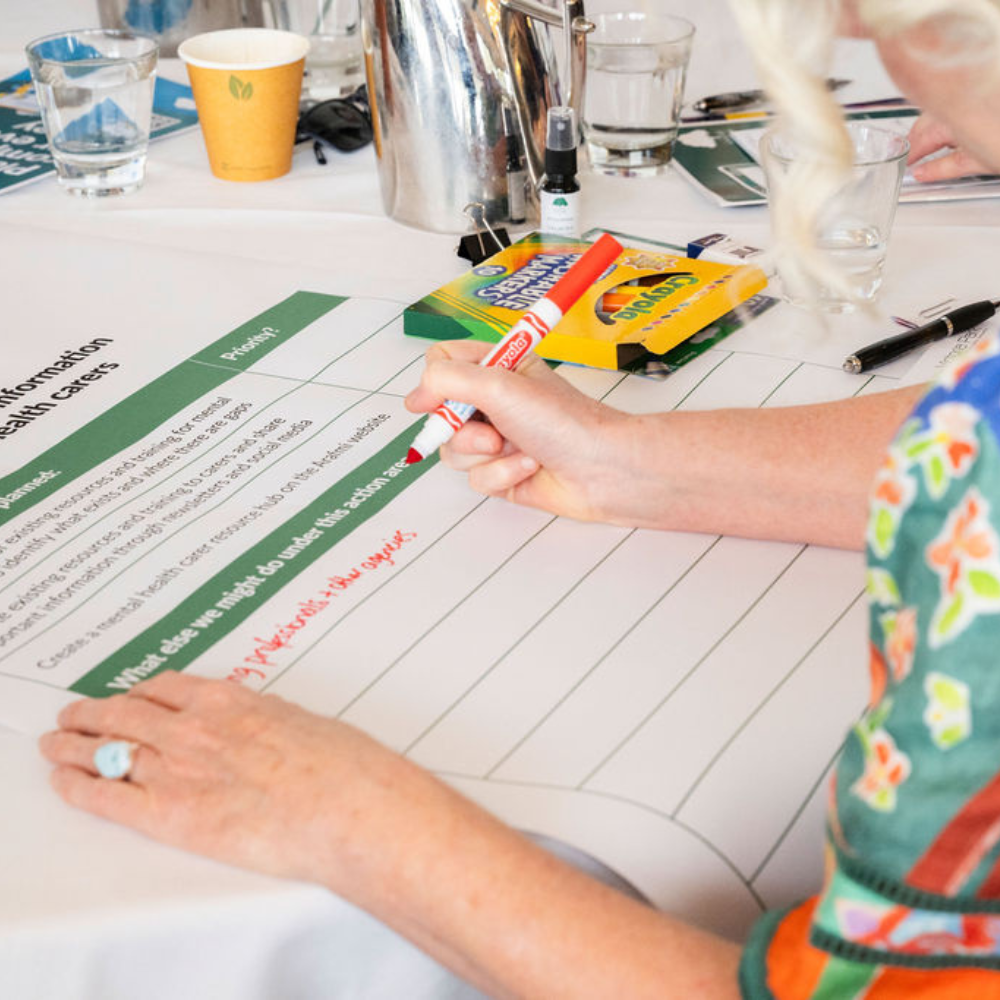
The insights from the Carer Forum round table discussions will guide the Advocacy Team’s priorities and future focus areas.

The top priorities identified by carers on the day were centred around enhancing mental health awareness and carer support by:

  • education of GPs and other health professionals about carers and support for carers
  • promotion of existing supports to carers, including making distinctions between crisis supports and ongoing supports
  • for young carers (aged 4 – 25), training for schools and teachers on how to recognise, refer and support young carers, as well as education of young people on signs of mental health challenges.

Other top issues included: raising awareness of trauma from past mental health and child safety systems, proactive outreach to carers when someone engages with the mental health system, providing clear information to carers and involving them in mental health planning and discharge processes. 

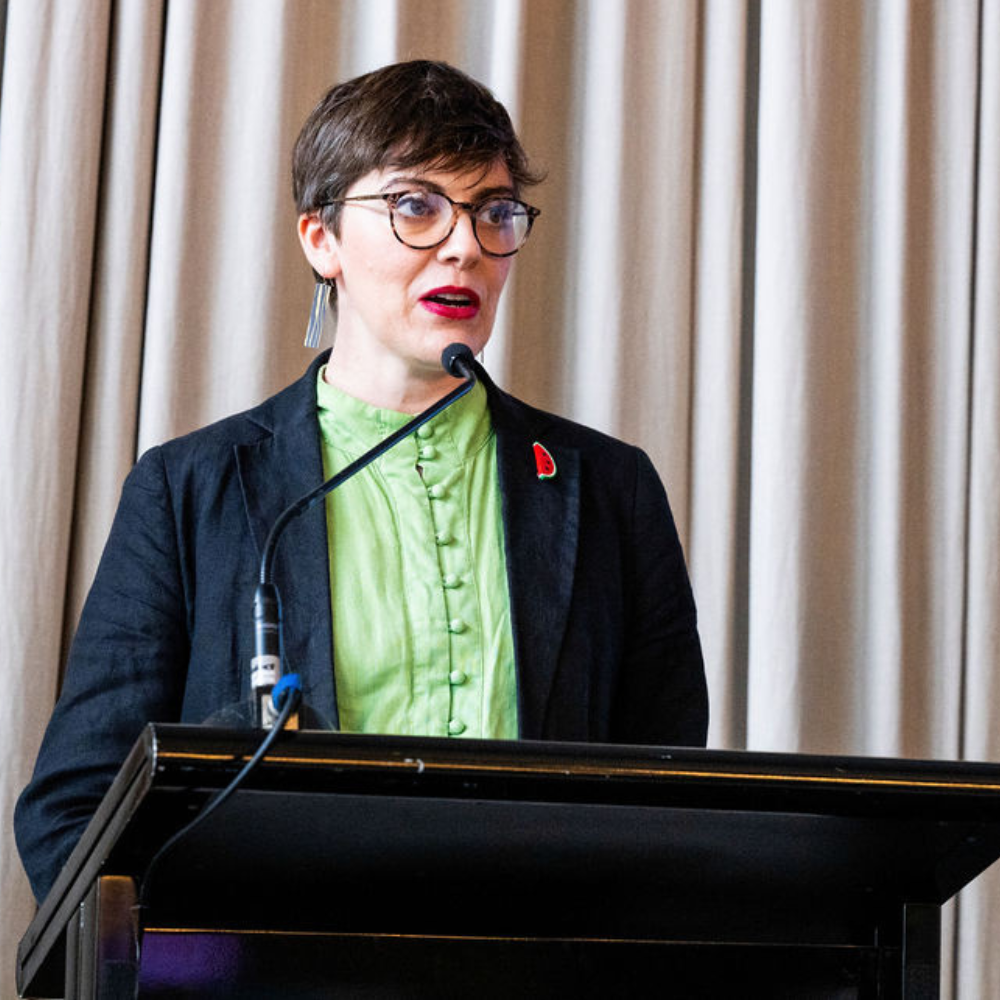
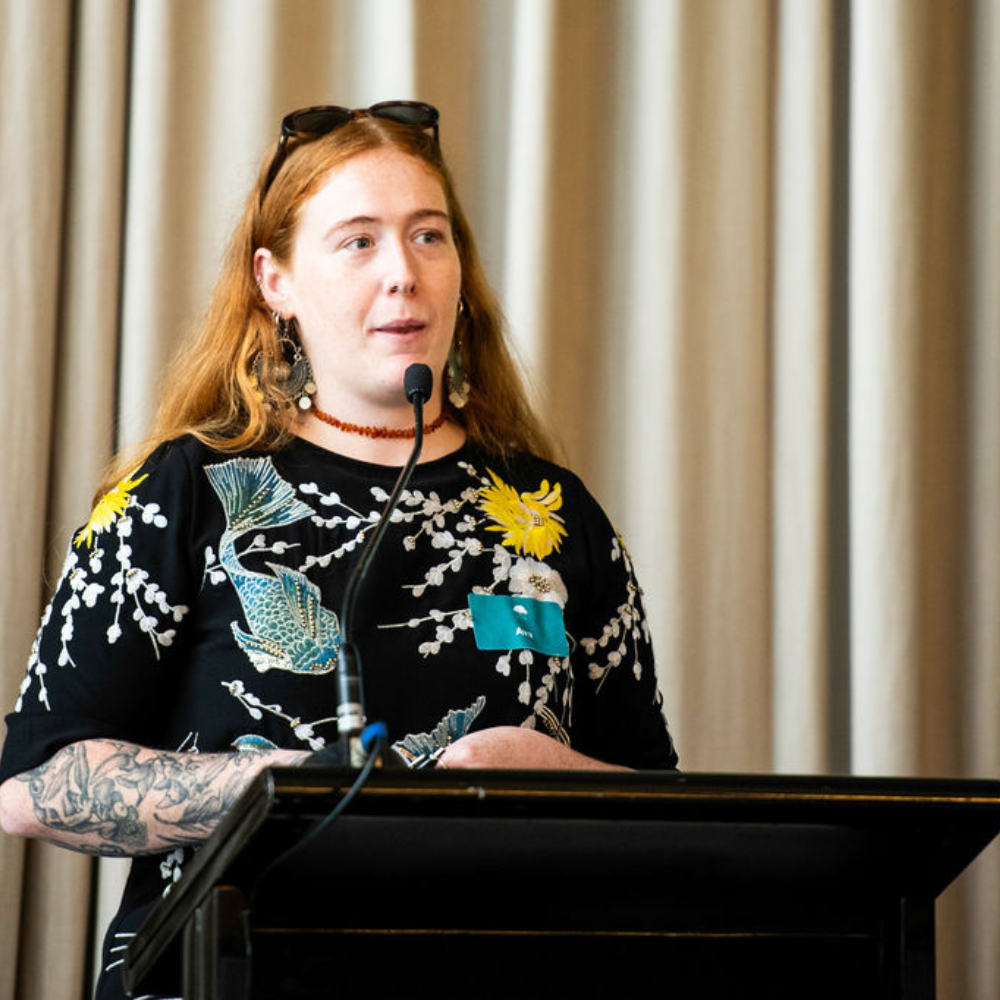
In her presentation, Sue Goodwin (Arafmi Lived Experience Advocacy Team Lead) outlined ‘Opportunities To Get Involved’ which are listed below along with presentations from key speakers.

Related Posts:

Meet Tracy
Advocacy

Meet the Carer Gateway Team: Tracy from Bundaberg

A lifelong carer supporting carers Meet Tracy, supporting mental health carers in Bundaberg When Tracy sits down with a carer for the first time, she often asks a simple question, “And how are you going?”There’s usually a pause. “Most carers start by telling me all about the person they’re supporting,” Tracy says. “Then I ask about them. Sometimes that’s the first time anyone has.” For some, the question brings tears. For others, it takes a moment to even find the words. Tracy is Arafmi’s Carer Support Facilitator in Bundaberg and has been in the role since August 2025. She’s worked in the local mental health sector for eight years, building strong community connections along the way. In a regional area where trust matters, that history counts. But it’s not just professional experience Tracy brings to the role. “I’ve been a carer most of my life,” she says. Tracy grew up as a young carer and today continues caring for her adult children and her partner. That lived experience shapes the way she shows up for others. “I understand what it’s like when everything is about the person you’re supporting,” she says. “Sometimes carers aren’t even in touch with their own needs

Read More »
arafmi blog header warm
Advocacy

Future Planning Workshops – Housing worries – support and advice for carers

Housing worries? Support and advice for carers Housing can be one of the biggest uncertainties carers face when thinking about the future. Renting, housing options and long-term stability are common concerns, especially when supporting someone living with mental health challenges and thinking about what the future might look like. In February, more than 40 mental health carers joined our Future Planning housing workshops (in person and online), to learn about housing options, renters’ rights and where to find support. We invited three guest speakers working across different parts of the housing system to share their knowledge and practical advice. Why stable housing comes first Ryan Twomey from Micah Projects shared how the service supports people who are struggling to find or keep housing. Carers can drop in for an initial conversation with the person they support. From there, staff can help explore options such as housing referrals, crisis accommodation or connecting with other services. Ryan also outlined longer-term housing pathways. This can include applying for Department of Housing, where applications are prioritised based on vulnerability, or exploring community housing providers, where rent is generally around 25% of a person’s income. Micah Projects works from a “housing first” approach, recognising that stable housing is often the first step in helping

Read More »

Arafmi Mental Health Carer Forum 2024

Skip to content