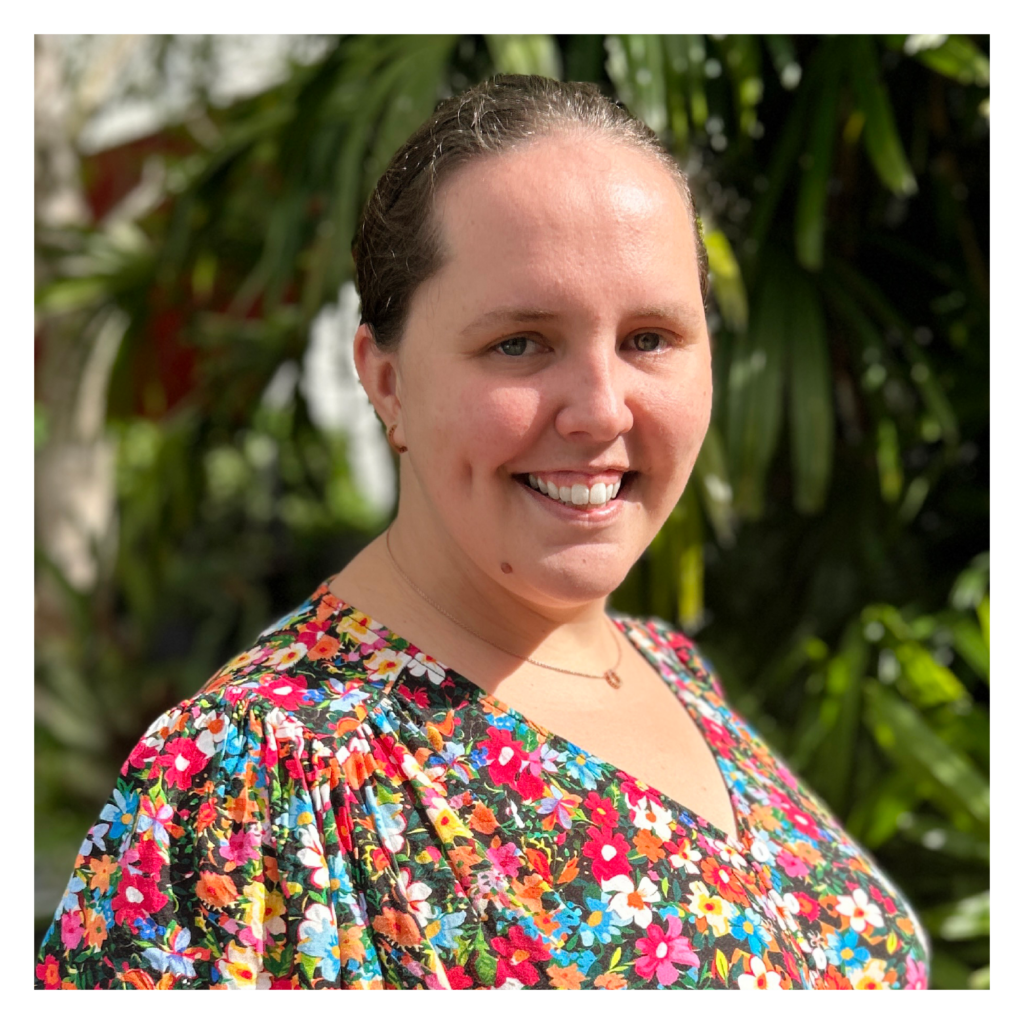
Chantelle Bongers, First Nations Lived Experience Lead

First Nations Townsville Consultations

Chantelle Bongers (First Nations Lived Experience Lead),  travelled to Townsville to discuss with local organisations whether First Nations communities identify with the term ‘carer’, what is unique about caring roles within culture and what supports exist to support First Nations mental health carers. The conversations offered some insight into the importance of caring for someone with mental-ill health and how this continues to be a cultural practice within First Nations communities.

A unique caring role was noted for Aboriginal and Torres Strait Islander community in terms of the importance of caring for country, which needs to be done first before any other supports will be effective. “When you care for country, you care for our people” (Stakeholder). They shared that cultural practices of caring have become harder due to the increasing incarceration of young people. In addition, caring cultural cycles have been broken, thus making it harder for community members’ mental health to be cared for using cultural practices such as a healing garden.

Further conversations highlighted how First Nation mental health carers, and mental health carers in general, are struggling to access culturally appropriate services, and bulk billing options for mental health services and transportation to and from services. One service provider broke down crying when they heard about our carers respite hub and described it as “a piece of heaven that can heal our mob”.

Further work will be undertaken with more stakeholders and community members around the uniqueness of their caring roles and how this impacts on First Nations carers’ mental health and what advocacy areas should be a priority for the region.

For more information contact advocacy@arafmi.com.au or visit arafmi.com.au

Related Posts:

Image 29 4 2026 at 3.25 pm
Carer Story

From carer to lifeline: The Queensland volunteers helping others mental health carers

From carer to lifeline: The Queensland volunteers helping other mental health carers For Arafmi volunteer Louise Dutton, when her son became unwell with mental ill-health, she “didn’t really know what she was dealing with.” That’s where her connection with Arafmi began, not as a volunteer, but as a carer trying to make sense of something overwhelming, unfamiliar and at times isolating. Over time, that experience became something she could offer others. Now 82, she’s spent the past 25 years answering calls on the 24-hour Carer Support Line and sitting alongside carers in support groups. What she brings isn’t a set of answers, but a way of helping people feel understood. As she explains, “Listening plays a big part. And so you’ve got to find out where the person is coming from… sometimes the person is so stressed that they can go round and round in circles. You just try and pick out a few points and confirm, is that what you’re telling me? And then try and help them to understand that we know where they’re coming from because we’ve had a similar experience.” For carers reaching out, that recognition can be enough to help people feel more steady and

Read More »
Hidden Role of young carers
Carer Event

The hidden role of young carers

“I just thought it was normal” – the hidden reality of young mental health carers For many young people, caring doesn’t have a name. It’s something they do as part of everyday life, being there when someone needs them. As Tanya Boge from our Carer Support Team explains: “Many young mental health carers don’t identify with the word ‘carer’ they see what they do as just helping out.” What often goes unseen is everything that sits behind that. The mental load, the worrying, the responsibility, and the feeling like they have to stay strong, even when things are uncertain. Over time, that can begin to shape how young people see themselves and where their own needs fit. “Many also grow up without clear boundaries, which can make it harder to balance their own needs alongside supporting someone else.” For Tanya, this understanding comes from her own experience. “It’s important to me because I was a young mental health carer myself, even though I didn’t have that language at the time. I just thought it was normal to take on that level of responsibility and not have clear boundaries.” Looking back, she can see how those early experiences shaped her. “Without

Read More »

First Nations Townsville Consultations

Skip to content